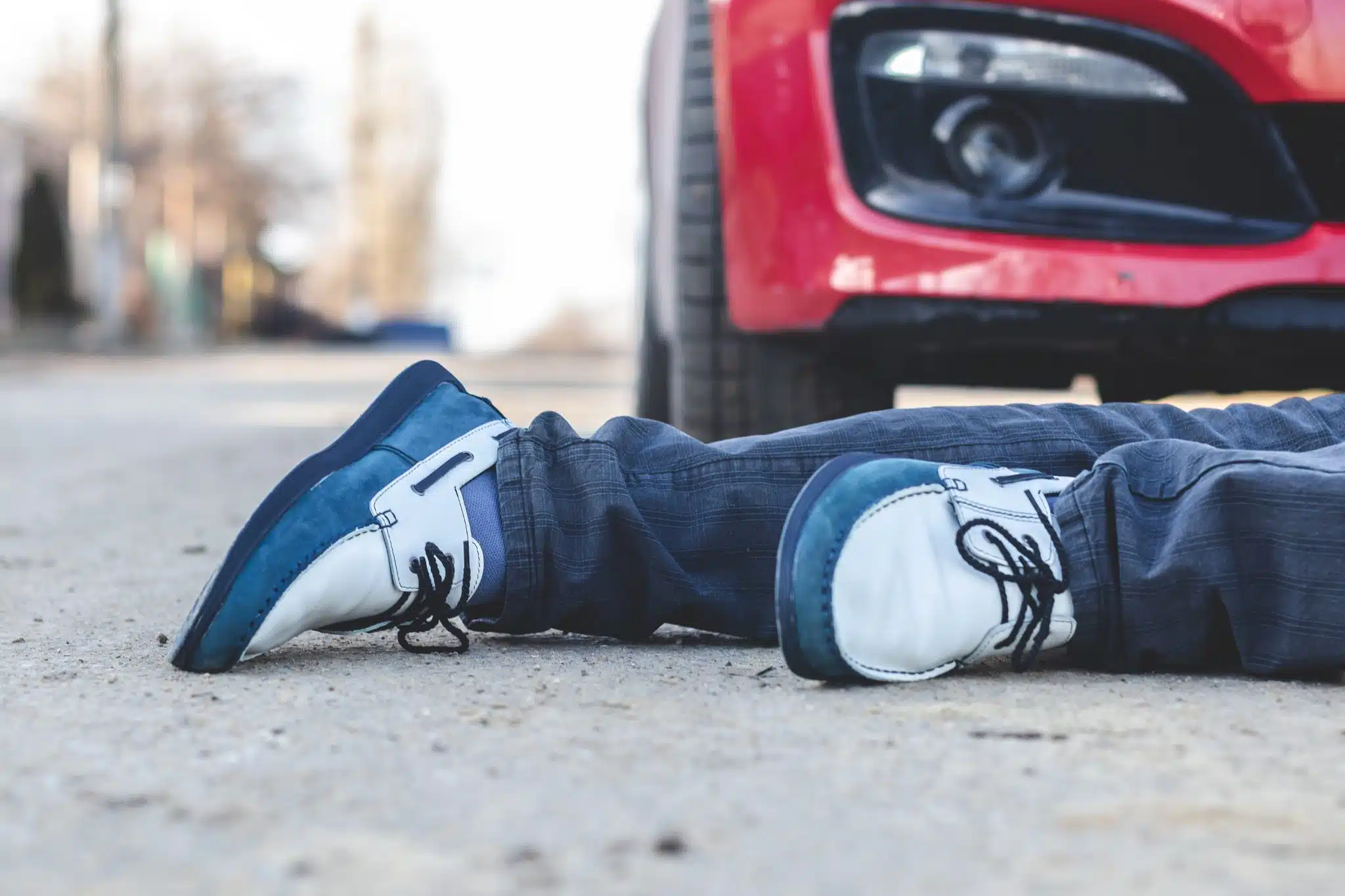




Your priorities now are to preserve every piece of evidence, avoid the traps insurance companies set, and figure out who is actually responsible for the property where you were injured. A seasoned Philadelphia car accident attorney can help you take these steps correctly from the start.
Manhattan parking garages present a unique set of hazards. They are typically characterized by tight spaces, confusing layouts, and aging infrastructure—a reality underscored by the catastrophic garage collapse on Ann Street back in 2023. These environments create a dangerous mix of pedestrian and vehicle traffic where accidents are bound to happen.
Understand that a parking garage injury is not the same as a typical car crash. These cases fall under a legal concept called premises liability, which means the garage owner, a separate management company, or even a third-party valet service could be responsible for your medical bills and other losses. Insurance companies for these entities will look for ways to downplay issues like poor lighting or a puddle of oil.
If you have a question about a recent injury in a Manhattan parking structure, call us at (866)771-4988. We handle these specific cases regularly.
Key Takeaways for Manhattan Parking Garage Injury Claims
- The property owner may be liable for unsafe conditions. Under a legal concept called premises liability, garage owners and operators have a duty to keep their property reasonably safe from hazards like spills, poor lighting, or structural defects.
- Claims against the City have a 90-day deadline. If you are injured in a city-owned garage, you must file a formal Notice of Claim within 90 days, a much shorter deadline than the standard three-year statute of limitations for private property.
- You may still recover damages even if you were partially at fault. New York’s comparative negligence rule allows you to seek compensation even if you contributed to the accident, although your final award will be reduced by your percentage of fault.
Immediate Steps to Take From Home (The Days Following the Accident)
The Hidden Risks of Waiting
The biggest mistake you might make right now is delaying medical treatment.
Many serious injuries, particularly soft-tissue damage and whiplash from low-speed impacts, have a delayed onset. You might feel “okay” today, but pain and stiffness may flare up 24 to 72 hours later. When an insurance adjuster sees a gap between the accident date and your first doctor’s visit, they have a ready-made argument: “If you were truly hurt, you would have sought help immediately.”
Soon, you will get a call from the garage’s insurance carrier. Remember their objective. They are a business that needs to protect its bottom line, which means paying out as little as possible on claims. The adjuster who calls will likely be friendly, but they are looking for you to say something on a recorded line that undermines your case, like “I’m feeling fine” or “I was a little distracted.”
Your Action Plan for Protection
You counter these tactics by taking control of the narrative from the start. Your focus should be on documenting everything.
- Organize Your Digital Evidence: Back up any photos or videos you took at the scene to a cloud service or a separate hard drive. Don’t risk losing them if your phone is damaged or lost.
- Preserve Physical Evidence: Save the clothes and shoes you were wearing at the time of the accident, especially if they were torn or stained with grease, oil, or blood. Place them in a sealed bag and do not wash them.
- Start a “Pain Journal”: Every day, write down how you feel. Note your pain levels, which daily activities are difficult or impossible (e.g., “Couldn’t lift my child,” “Had trouble typing at work”), and any new symptoms that appear.
- Politely Decline a Recorded Statement: When the adjuster calls, be courteous but firm. A good response is: “I’m not prepared to give a statement right now. I need to focus on my medical care.” You are not legally obligated to provide a recorded statement without your own legal counsel present.
Identifying the Responsible Party: It’s Not Always Who You Think
In a place like Manhattan, a parking garage is a complicated web of different companies, and finding the legally responsible party is a challenging aspect of a personal injury claim. Merely naming “the garage” in a lawsuit isn’t enough; we have to identify the specific entity whose negligence caused your injury.
Several different parties could potentially be held liable for your accident:
- The Property Owner: This is the company or individual who owns the physical building. Under New York City law, they have a fundamental duty of care to ensure their property is structurally sound. This responsibility has come under intense scrutiny, with laws like Local Law 126 now mandating rigorous periodic inspections of all parking structures.
- The Operator or Tenant: Many Manhattan garages are leased and run by large management companies. These operators are typically responsible for the day-to-day maintenance, such as cleaning up spills, ensuring adequate lighting, repairing broken gates, and providing security.
- Third-Party Contractors: Sometimes, specific duties are outsourced. A separate company may be contracted for security, another for cleaning services, and another for providing valet staff. If a valet driver hits a pedestrian, for example, the liable party might be the staffing agency that employs them, not the garage owner.
- Government Entities: If the garage is a municipal facility owned by the City of New York, the rules for seeking compensation change completely. This is a key distinction that makes or breaks your case.
The 90-Day Deadline for Suing the City
For most personal injury cases in New York, you have a three-year Statute of Limitations to file a lawsuit. However, if your injury occurred on property owned by a government entity like the City of New York, you must file a formal “Notice of Claim” within just 90 days of the incident. Missing this deadline will almost certainly bar you from ever recovering compensation. This strict timeline is one of the most compelling reasons to consult with an attorney as soon as possible after an accident.
Think of premises liability like this: if you invite a guest to your home, you have a duty to warn them about a broken step you know is there. A commercial parking garage, which charges customers for a service, is held to an even higher standard of care to keep its property reasonably safe.
Proving Negligence: Was the Garage Unsafe?
Simply getting hurt in a garage is not enough to secure compensation. The law requires us to prove that the property owner or operator was negligent. This means we have to show that they failed in their legal duty to maintain a reasonably safe environment and that this failure directly caused your injuries.
The Concept of “Notice”
A key part of any premises liability claim is proving the owner had “notice” of the dangerous condition. The law breaks this down into two categories:
- Actual Notice: This means the owner or their employees knew about the specific hazard. For example, if another customer reported a large oil slick an hour before you slipped, and management did nothing, that is actual notice.
- Constructive Notice: This is a legal concept that means the owner should have known about the hazard. If a stair is crumbling or a ceiling light has been burnt out for weeks, a reasonably attentive property manager would have discovered and fixed it during routine inspections. The condition existed long enough that they had the opportunity to correct it.
Common Hazards That Point to Negligence
In our experience at Rothenberg Law Firm LLP, parking garage accidents in Manhattan frequently stem from a few common types of negligence:
- Structural Defects: After the 2023 garage collapse, the NYC Department of Buildings has increased its enforcement of inspection mandates. Failing to abide by the rigorous inspection schedules required by city regulations is strong evidence of negligence if a structural failure causes an injury.
- Inadequate Security: If you were assaulted or robbed, we investigate whether the garage owner ignored known risks. Did they fail to repair broken security cameras or improve poor lighting despite a history of crime in the area? Property owners have a duty to take reasonable steps to protect patrons from foreseeable criminal acts.
- Slip and Fall Hazards: These are among the most common causes of injury. This includes uncleaned oil or chemical spills, garbage or debris left in walkways, and failure to address snow and ice. New York has a legal principle known as the “storm in progress” doctrine, which gives owners a reasonable time to clear snow after a storm ends, but it does not give them a free pass to ignore icy conditions indefinitely.
- Poor Design and Signage: Many older garages have dangerously tight turns, blind corners with no mirrors, or poorly marked pedestrian walkways that force people to walk in the direct path of moving vehicles.
What If You Were Partially at Fault?
Many people hesitate to call a lawyer because they worry they did something to contribute to the accident. Maybe you were looking at your phone when you tripped, or maybe you weren’t walking in a designated crosswalk. Do not assume you don’t have a case.
New York follows a pure comparative negligence law. This rule means that even if you are found to be partially at fault, you still recover damages. Your total compensation will be reduced by your percentage of fault. Our job is to ensure that no amount of blame is unfairly placed on you.
The Legal Timeline: What to Expect Moving Forward
It’s natural to want a quick resolution, but personal injury cases involving complicated liability questions take time.
Here is a general overview of the steps involved:
- The Investigation: The first thing we do is move to preserve evidence. This includes sending legal notices, known as preservation letters, to the property owners demanding they do not delete or overwrite any security camera footage from the day of the incident. We also begin pulling public records, such as maintenance logs and any code violations filed with the NYC Department of Buildings.
- Maximum Medical Improvement (MMI): We typically do not send a formal demand for payment to the insurance company right away. We need to wait until you have reached what is known as “Maximum Medical Improvement.” This is the point where your doctors have a clear picture of the full extent of your injuries and what your long-term medical needs will be. Settling too early risks undervaluing your claim because you might not know the full cost of future surgeries, physical therapy, or lost earning capacity.
- Demand and Negotiation: Once we have a complete understanding of your damages—including medical bills, lost wages, and pain and suffering—we compile a comprehensive demand package and present it to the insurance company. This opens a period of negotiation. The majority of personal injury cases are resolved at this stage.
- Litigation: If the insurance company refuses to make a fair settlement offer, we will file a lawsuit. Filing a lawsuit does not mean your case will automatically go to a full trial. The act of filing suit and moving into the formal discovery process is frequently enough to pressure the insurance company to negotiate in good faith and settle before a trial becomes necessary.
How Are Legal Fees Handled?
Many people worry they cannot afford to hire a lawyer. At Rothenberg Law Firm LLP, we handle personal injury cases on a contingency fee basis.
In plain English: this means we don’t get paid unless you do. Our fee is a percentage of the financial recovery we obtain for you.
If we are not successful in securing compensation, you owe us nothing for our time and effort. This arrangement removes the financial risk from your shoulders and allows you to access high-quality legal representation.
FAQ for Parking Garage Injuries in NYC
Can I sue if I signed a liability waiver on the back of my parking ticket?
Generally, no. Those “Not Responsible for Theft or Injury” signs or fine print on tickets are typically legally unenforceable intimidation tactics. Under New York General Obligations Law § 5-325, operators of garages cannot exempt themselves from liability caused by their own negligence.
Does my car insurance cover me if I slipped and fell in a garage?
Typically, no. If your injury did not directly involve the use of your vehicle (for example, you slipped on ice after you had already parked and exited your car), it is a premises liability claim against the garage, not an auto insurance claim. This is an important distinction because premises liability cases require proving fault, whereas New York’s No-Fault auto insurance system does not.
What if the accident happened in an elevator within the garage?
This adds another potentially liable party: the elevator maintenance and inspection company. An elevator malfunction is a sign of negligent maintenance. At Rothenberg Law Firm LLP, we handle difficult claims involving multiple defendants, including those against elevator service companies, regularly.
I was injured in a garage owned by the City. Do I have three years to sue?
No. For claims against a New York City entity, you generally have only 90 days from the date of the accident to file a formal Notice of Claim with the Comptroller’s Office. Missing this deadline will almost always prevent you from being able to recover any compensation.
Don’t Let a Negligent Property Owner Shift the Cost to You
Recovering from a serious injury is a full-time job. Your energy should be focused on your health, not on arguing with insurance adjusters, chasing down building records from city agencies, or trying to decipher complex legal deadlines. A dedicated Philadelphia personal injury lawyer can handle these challenges on your behalf.

The garage’s insurance company has a team of lawyers and adjusters working to protect its financial interests. You deserve to have someone dedicated to protecting yours.
If you were hurt in a fall or other type of accident in a parking garage, call us today at (866)-771-4988. The consultation is free, and there is no obligation. We will help you understand your rights and determine the best next step for you and your family.