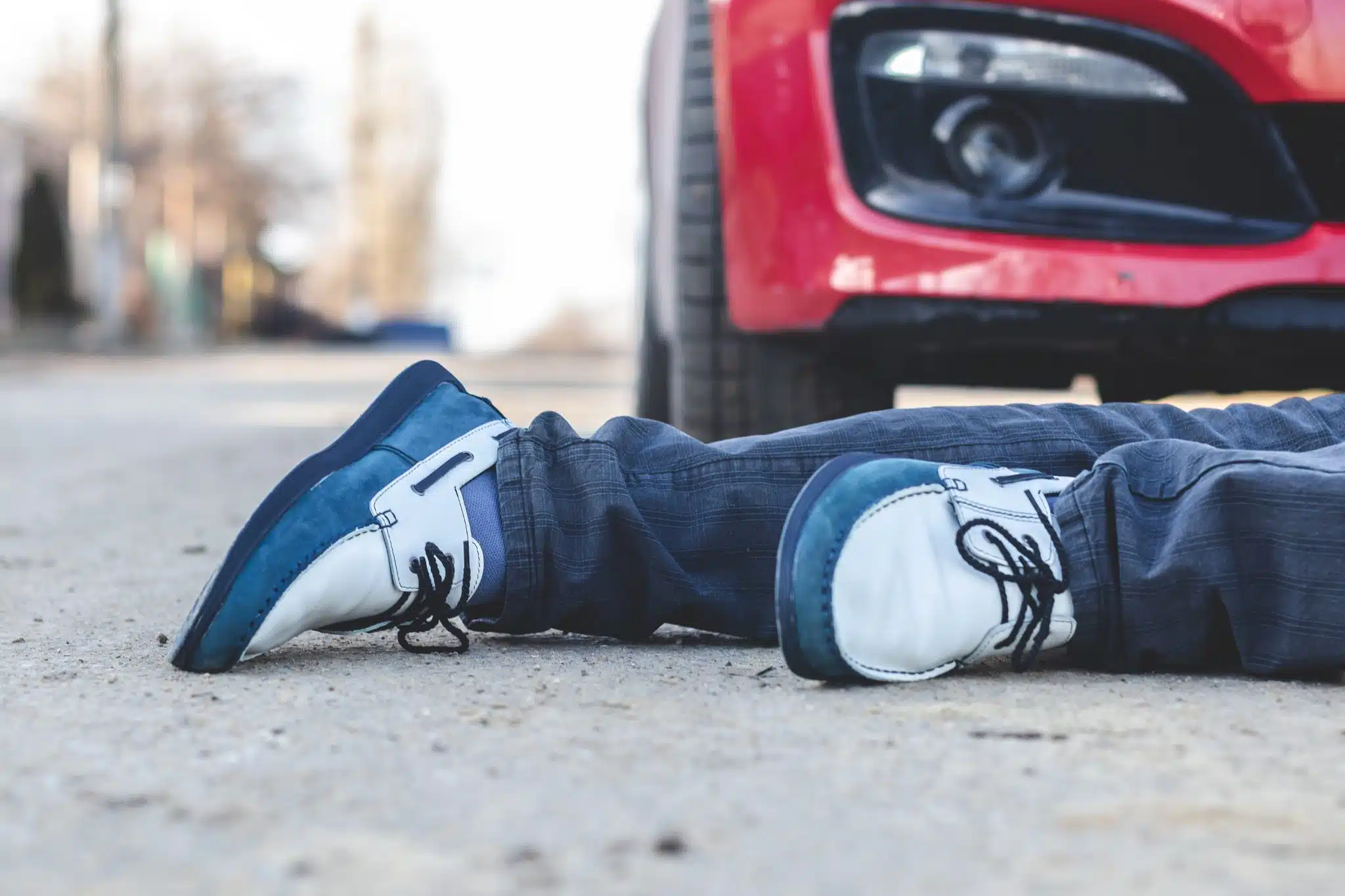



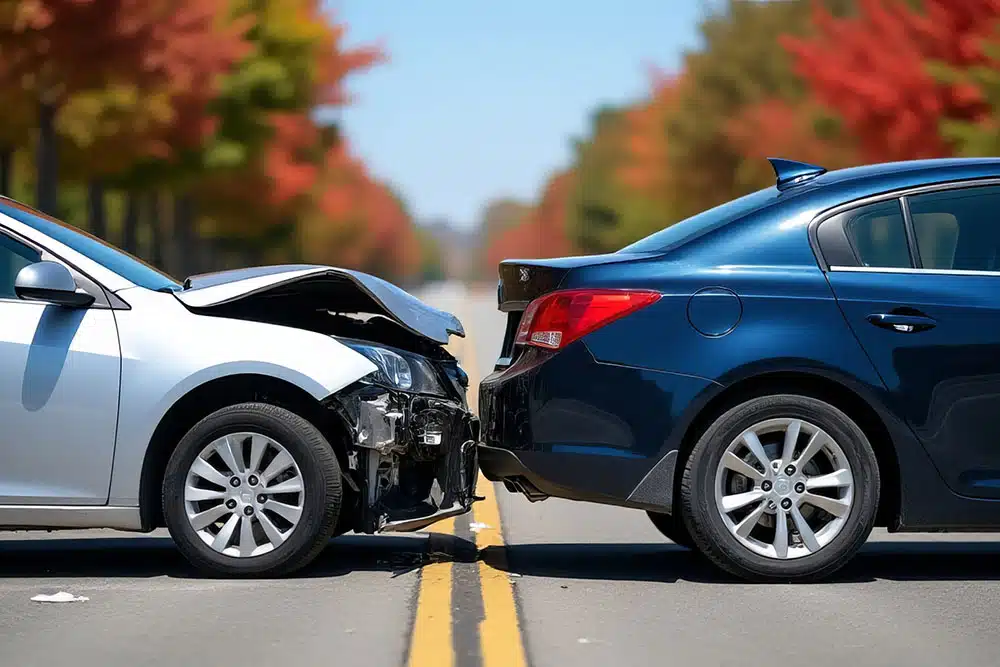
In most cases, the driver who strikes a vehicle from behind holds the majority of the liability in a rear-end collision. However, this presumption isn’t absolute, and numerous exceptions can shift the blame partially or entirely to the lead driver.
The specifics of your accident dictate the final determination of fault, which directly impacts insurance claims and compensation for damages. Your own actions after a rear-end crash help protect your rights.
A personal injury attorney can manage the complexities of your claim while you concentrate on healing.
Key Takeaways for Fault in a Rear-End Accident
- A strong legal presumption exists that the trailing driver is at fault, but evidence can challenge this.
- The lead driver’s actions, such as braking suddenly or having broken tail lights, can make them partially or fully liable.
- Insurance companies investigate claims thoroughly and often look for ways to assign partial fault to reduce payouts.
- Evidence like witness testimony, police reports, and video footage plays a pivotal role in establishing liability.
- An experienced attorney analyzes the evidence to build a strong argument for who is at fault in a rear-end accident.
The Legal Presumption in a Rear-End Collision
In nearly every state, traffic laws establish a presumption that the rear driver acts negligently in a rear-end collision. This legal shortcut exists because all drivers have a fundamental duty to maintain a safe following distance.
A driver must leave enough room between their vehicle and the one ahead to react to sudden stops or changes in traffic flow. When a collision occurs, the very fact that one car struck another from behind suggests the trailing driver failed in this duty.
The rear driver may have been following too closely, driving while distracted, or traveling too fast for the conditions. Therefore, insurance adjusters and courts begin their analysis from this starting point.
Challenging this standard requires a factual, evidence-based argument that demonstrates the lead driver’s actions contributed to or directly caused the crash. The success of a claim often hinges on an attorney’s ability to uncover and present these critical facts.
Why Following Distance Matters for Liability
The concept of a safe following distance forms the foundation of rear-end collision liability. When a driver tailgates or follows too closely, they rob themselves of this reaction time. Failure to adjust for certain conditions further strengthens the argument for the rear driver’s negligence.
Conditions requiring an increased following distance include:
- Inclement Weather: Rain, snow, or fog reduces tire traction and visibility, demanding more space to stop safely.
- Heavy Traffic: Congested roads with frequent, unpredictable stops necessitate a larger buffer to prevent a chain-reaction collision.
- Poor Road Conditions: Potholes, gravel, or construction zones can affect a vehicle’s handling and increase stopping distances.
- Reduced Visibility: Driving at night or in poorly lit areas requires more reaction time, so a greater following distance is needed.
The Role of Distracted Driving
Distracted driving has become a leading cause of rear-end collisions. When a driver looks down at a phone, adjusts the radio, or attends to a passenger, they’re not watching the road.
A vehicle traveling at 55 miles per hour covers the length of a football field in about five seconds, and even a momentary glance away from the road completely eliminates a driver’s ability to react to a slowing or stopped vehicle ahead.
Proving that a driver was distracted at the time of a crash presents a challenge, but attorneys uncover such evidence by subpoenaing cell phone records to check for call or text activity around the time of the collision.
Distractions extend beyond electronics. An eyewitness might testify they saw the driver eating, applying makeup, or engaged in an intense conversation. This information strengthens the case that the driver’s inattention, not the lead driver’s actions, caused the accident.
While the rear driver often causes the accident, in numerous scenarios you can hold the lead driver partially or even fully liable. These exceptions to the rear-end fault rule require proof the lead driver acted negligently or recklessly.
Successfully arguing these exceptions demands strong, persuasive evidence to counteract the legal presumption against the trailing driver. A personal injury attorney knows what to look for and how to build a case around these complex situations.
Common situations where a lead driver may be at fault include:
- Sudden Reversal: The lead driver unexpectedly puts their car in reverse and backs into the trailing vehicle.
- Hazardous Lane Change: The front driver cuts off another vehicle without sufficient space, leaving no time for the trailing driver to react.
- Brake Checking: The lead driver intentionally and aggressively slams on their brakes to intimidate or retaliate against the following driver.
- Unindicated Stops or Turns: A driver stops suddenly to make a turn without signaling or pulls over without properly merging from the traffic lane.
- Unreasonable Sudden Stops: The lead driver brakes abruptly without a legitimate reason, such as missing an exit or being distracted, creating an unexpected and unavoidable hazard.
- Faulty Vehicle Equipment: The driver in front fails to maintain their vehicle, and the collision happens because their brake lights were broken or non-operational, giving the rear driver no warning of the stop.
- Unsafe Entry Into Traffic: The lead driver pulls out from a side street, driveway, or parking spot without yielding the right-of-way, cutting directly in front of an approaching vehicle and making a collision unavoidable.
Gathering Evidence To Establish Fault
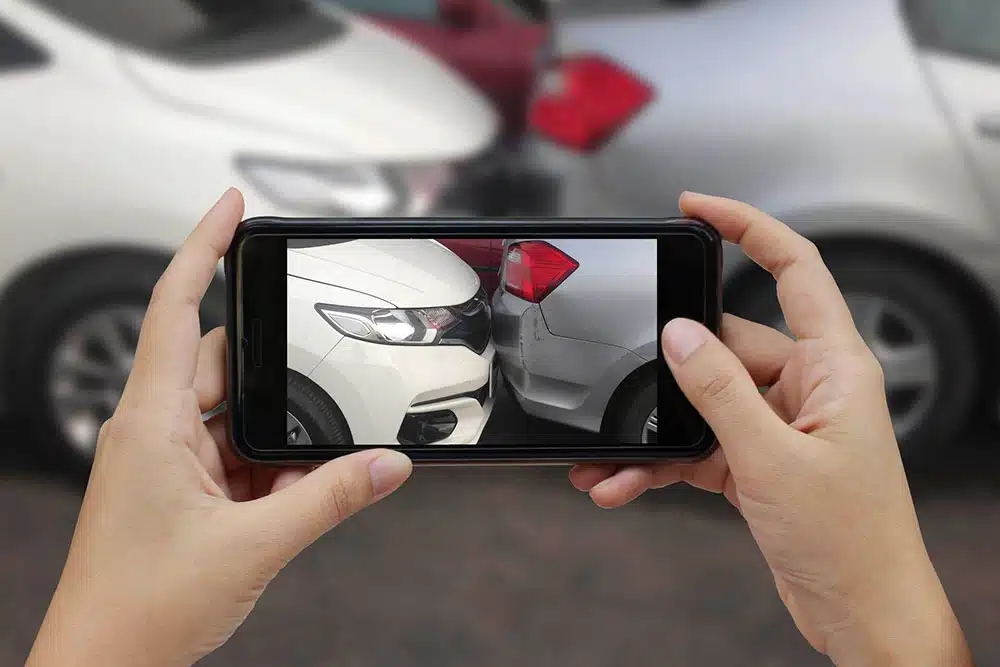
Regardless of which driver appears to be at fault, a strong claim always depends on strong evidence. Statements from drivers are subjective and often conflicting, so insurance companies often rely on objective evidence to make a liability determination.
Your attorney directs the effort to collect and preserve all relevant evidence to construct a clear, factual narrative of what happened leading up to the impact. The quality and depth of the evidence directly impact your ability to receive fair compensation.
This proactive approach prevents critical information from getting lost and counteracts attempts by the other driver’s insurance company to reshape the facts.
Essential pieces of evidence in a rear-end accident claim may include:
- Official Police Report: The official police report provides an initial assessment of the scene, diagrams, contributing factors, and any citations issued.
- Photographs and Videos: Photographs and videos capture vehicle damage, skid marks, road conditions, traffic signals, and the overall accident scene from multiple angles.
- Eyewitness Testimony: Eyewitness testimony offers an unbiased, third-party perspective on the actions of both drivers before the collision.
- Surveillance Footage: Dashcam recordings or video from nearby homes and businesses can offer indisputable proof of how the accident occurred.
- Vehicle Damage Analysis: The location and severity of the damage to both vehicles help experts reconstruct the forces and angles of the impact.
- Cell Phone Records: Cell phone records can show whether a driver was texting or talking on the phone at the time of the crash, providing proof of a distraction.
How a Lawyer Helps Your Rear-End Accident Claim
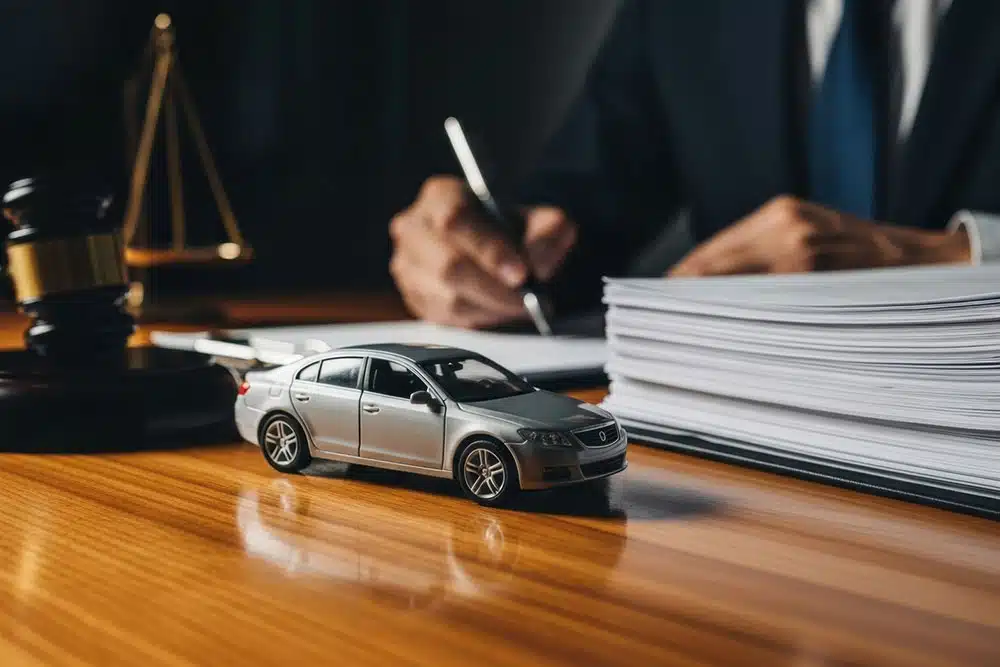
An experienced personal injury lawyer does more than just file paperwork. They build the foundation of your claim by methodically establishing who is at fault in a rear-end accident and protecting you from the tactics insurance companies use to minimize their payouts.
This comprehensive legal support frees you to concentrate on your medical treatment and recovery, secure in the knowledge that a professional is protecting your rights and working to maximize your compensation.
Ways your lawyer can assist with the claim include:
- Leading an In-Depth Investigation: Your legal team acts immediately to gather and preserve all forms of evidence. They go beyond the initial police report, canvassing the area for overlooked surveillance cameras, identifying and interviewing witnesses before memories fade, and subpoenaing cell phone records to prove distracted driving.
- Managing All Communications: Your lawyer becomes the exclusive point of contact for all insurers. This shields you from aggressive questioning and prevents you from giving a recorded statement that could be twisted to assign you partial fault.
- Fighting Unfair Blame: Insurance companies often attempt to assign a percentage of fault to the victim to reduce a settlement under comparative negligence rules. Your lawyer challenges baseless claims of fault, using the evidence to build a powerful argument against the other driver.
- Calculating Your Losses: Your attorney accounts for the full scope of your damages. They go beyond immediate medical bills to include future treatment needs, lost earning capacity, rehabilitation costs, and pain and suffering.
- Negotiating a Fair Settlement: Armed with a thoroughly investigated, evidence-backed case, your attorney negotiates with the insurance company. They leverage their findings to reject lowball offers and demand a settlement that fully and fairly compensates you.
- Taking Legal Action if Necessary: If the insurance company refuses to offer a fair settlement, your lawyer can file a lawsuit and present your case in court.
FAQ for Who Is at Fault in a Rear-End Accident?
How Does a Police Report Affect Who Is at Fault in a Rear-End Accident?
A police report provides a foundational piece of evidence, but it doesn’t legally decide fault. The responding officer will document their observations, diagram the scene, and may issue a citation, all of which carry weight with insurance adjusters.
However, the report is just one part of the overall investigation, and an attorney can contest incorrect information within it.
What Happens if You Rear-End Someone Who Brakes Suddenly?
If you rear-end someone who brakes suddenly, the question of fault becomes complex. If the driver braked for a legitimate reason, like avoiding a road hazard, you would likely remain at fault for following too closely.
If they braked for no reason or to intentionally brake check you, they share or hold the primary fault, but you must produce evidence to prove their actions were unreasonable and negligent.
Can the Lead Driver Be at Fault in a Rear-End Collision?
Yes, the lead driver can absolutely be partially—or fully—at fault in a rear-end accident. This happens when the lead driver’s negligent actions cause the crash.
Common examples include reversing into another car, making an unsafe lane change, driving with broken brake lights, or stopping in a travel lane without a valid reason.
How Does a Lawyer Prove You’re Not at Fault in a Rear-End Collision?
Proving you’re not at fault requires presenting clear evidence that the lead driver acted negligently. This evidence can include dashcam footage showing them cutting you off, eyewitnesses who confirm their erratic driving, or a vehicle inspection that reveals their brake lights weren’t working.
Your attorney builds this evidence into a persuasive argument to the insurance company.
Should I Give a Recorded Statement to the Other Driver’s Insurance Company?
Don’t give a recorded statement to the other driver’s insurance company without first consulting your own attorney. Adjusters know which questions to ask to get you to say something that undermines your claim or makes you appear partially at fault.
Your lawyer can handle these communications to protect your rights, helping you to avoid inadvertently damaging your case.
What is the Statute of Limitations for a Rear-End Accident Claim?
The statute of limitations sets a deadline for filing a lawsuit after a rear-end accident. This deadline varies by state, typically ranging from one to six years from the date of the crash. If you miss this deadline, you may lose your right to pursue compensation.
Consult a knowledgeable attorney promptly to understand the specific statute of limitations that applies to your case and protect your legal rights.
Protecting Your Future After a Rear-End Collision
Allowing an experienced law firm to handle the legal complexities of your case gives you the space you need to heal without added stress. An attorney’s advocacy places you in the best position to secure the resources needed for your recovery.
For over 50 years, The Rothenberg Law Firm has fought for accident victims and recovered billions on their behalf. If you’ve been injured in an accident, call us at 1-800-624-8888 to protect your rights.