When a person is injured due to the actions of an intoxicated individual, the victim may wonder who they can hold responsible for the damages they suffered.
In New York, dram shop liability allows victims to seek compensation not only from the intoxicated person but also from the establishment that served them alcohol.
In this blog, we'll explore the concept of dram shop liability in New York, its legal requirements, and how a DUI accident lawyer in New York can help victims seek justice.
Understanding Dram Shop Liability
Dram shop liability refers to the legal responsibility of establishments that sell or serve alcohol to visibly intoxicated individuals who later cause injuries or damages to third parties.
Dram shop derives from the historical practice of selling alcohol by the dram, a small unit of liquid measure. In essence, dram shop laws hold bars, restaurants, and other establishments accountable for the consequences of over-serving alcohol to patrons.
Can You Sue a Bar or Restaurant After a Drunk Driving Accident in New York?
Yes, in certain cases. New York law may allow an injured person or eligible family member to bring a claim against a bar, restaurant, nightclub, or other alcohol-serving business if the business unlawfully served alcohol to a visibly intoxicated person who later caused a drunk driving crash.
A dram shop claim is different from a claim against the drunk driver. The claim against the driver focuses on unsafe driving, such as driving while intoxicated, speeding, running a red light, or crossing into another lane. The claim against the bar or restaurant focuses on unsafe alcohol service, including whether staff continued serving alcohol after the customer showed visible signs of intoxication.
Legal Basis for Dram Shop Liability in New York
New York's dram shop law is codified in the state's General Obligations Law, specifically Section 11-101. This statute allows injured parties to seek damages from the establishment that unlawfully sold or provided alcohol to the intoxicated person responsible for their injuries.
The law applies not only to businesses but also to social hosts who serve alcohol to visibly intoxicated guests.
Requirements for a Dram Shop Claim
To pursue a successful dram shop claim in New York, you must prove:
- Unlawful Sale or Provision of Alcohol: The establishment or social host must have sold or provided alcohol to the intoxicated individual unlawfully. This means serving alcohol to someone who is visibly drunk or under the legal drinking age of 21.
- Visible Intoxication: The establishment or social host must have had reason to believe that the individual, regardless of age, was visibly intoxicated at the time they were served alcohol. Signs of visible intoxication may include slurred speech, unsteady balance, or other clear indicators of impairment.
- Causation: The intoxication must be a substantial factor in causing the injuries or damages suffered by the victim. In other words, there must be a direct link between the intoxicated individual's actions and the harm inflicted upon the victim.
What Evidence Helps Prove a New York Dram Shop Claim?
Dram shop claims often depend on fast evidence collection. Useful evidence may include witness statements from bartenders, servers, patrons, or friends who saw the driver before they left the establishment. Surveillance video may show the person’s movements, balance, speech, interactions with staff, or behavior while ordering drinks.
Receipts, bar tabs, credit card records, and point-of-sale records can help show what alcohol was purchased and when. Police reports, toxicology results, breath or blood alcohol testing, and crash-scene observations may help connect the person’s intoxication to the collision. In some cases, expert testimony may explain how alcohol consumption affected the driver’s behavior, reaction time, and ability to operate a vehicle safely.
This evidence can disappear quickly. Businesses may overwrite surveillance footage, discard records, or become harder to investigate as time passes. Witness memories can also fade. Acting early gives your attorney a better chance to preserve the proof needed to show unlawful alcohol service.
Visible Intoxication at the Time of Service
One of the most important issues in a New York dram shop case is whether the person was visibly intoxicated when the bar, restaurant, or alcohol vendor served them. It is not enough to show that the person was drunk later at the crash scene. The evidence must connect visible signs of intoxication to the time alcohol was sold or served.
Visible intoxication may include slurred speech, unsteady walking, poor balance, glassy eyes, loud or aggressive behavior, confusion, or other outward signs that an average person could recognize. Witness statements, surveillance footage, receipts, bar tabs, and staff testimony may help show what the customer looked and acted like before leaving the establishment.
Damages Recoverable in a Dram Shop Claim
Victims who pursue a dram shop claim in New York may recover damages, including:
- Medical Expenses: Compensation for the costs of medical treatment, hospitalization, rehabilitation, and any ongoing medical needs related to the injuries sustained.
- Lost Wages or Income: Recovery of income lost due to the inability to work as a result of the injuries suffered.
- Pain and Suffering: Compensation for the physical pain, emotional distress, and mental anguish experienced by the victim.
- Property Damage: Reimbursement for any property damage caused by the intoxicated individual, such as vehicle repairs or replacement.
- Punitive Damages: In some cases where the establishment or social host's actions were particularly egregious, punitive damages may be awarded to punish and deter similar behavior in the future.
Statute of Limitations for Dram Shop Claims
Victims must be aware of the time limitations for filing a dram shop claim in New York. The statute of limitations for such claims is generally three years from the date of the injury.
Consult an experienced personal injury attorney as soon as possible to ensure that legal rights are protected and the claim is filed within the appropriate time frame.
Should You Also Sue the Drunk Driver?
In many drunk driving crash cases, it may make sense to pursue claims against both the drunk driver and the alcohol-serving business. The claim against the driver focuses on negligent or reckless driving. The dram shop claim focuses on whether a bar, restaurant, nightclub, or other alcohol vendor unlawfully served alcohol to someone who was visibly intoxicated.
These claims may involve different insurance policies. If the drunk driver has limited insurance coverage, a dram shop claim may provide another potential source of recovery through the business’s commercial insurance. Identifying every responsible party is important because serious drunk driving crashes can cause medical bills, lost income, long-term injuries, wrongful death damages, and other losses that exceed one insurance policy.
The Importance of Legal Representation

Pursuing a dram shop claim can be a complex and challenging process. Establishments and their insurance companies often have significant resources and legal teams to defend against such claims. Therefore, victims should seek the guidance and representation of a skilled personal injury attorney who handles dram shop liability cases.
An experienced attorney can help victims navigate the legal system, gather evidence to support their claim, and advocate for their rights throughout the process. They can also negotiate with insurance companies and work to secure the maximum compensation available for the damages suffered.
Dram Shop vs. Social Host Liability in New York
Dram Shop Liability and Social Host Liability are two related but distinct concepts under New York law. Both deal with the responsibility of those who provide alcohol to others, but they differ in terms of the context and the specific legal requirements.
Let's explore each concept in more detail:
Dram Shop Liability
- Applies to commercial establishments: Dram Shop Liability holds bars, restaurants, nightclubs, and other licensed establishments accountable for the actions of intoxicated patrons.
- Requires unlawful sale or provision of alcohol: The establishment must have sold or provided alcohol to a visibly intoxicated person or a minor under the age of 21.
- Liability arises from business activities: Dram Shop Liability is based on the establishment's role in the sale and distribution of alcohol as a business.
- Statute: Dram Shop Liability is codified in New York's General Obligations Law, Section 11-101.
Social Host Liability
- Applies to private individuals: Social Host Liability holds private individuals responsible for the actions of their intoxicated guests.
- Limited to serving minors: In New York, Social Host Liability primarily applies when a host knowingly provides alcohol to a minor under the age of 21.
- Liability arises from social gatherings: Social Host Liability stems from the host's role in providing alcohol in a private, non-commercial setting, such as a house party or a private event.
- Statute: Social Host Liability in New York is more limited in scope compared to Dram Shop Liability and is not as clearly defined in the state's statutes.
Both Dram Shop Liability and Social Host Liability cases can be complex and fact-specific. If an intoxicated individual has injured you or someone you know, it's crucial to consult with an experienced personal injury attorney who can evaluate the specific circumstances of your case and advise you on the best course of action.
Who Can Bring a Claim Against a Bar in New York?
In New York, several parties may bring a claim against a liquor licensee under Dram Shop Liability laws. These include:
Injured Third Parties
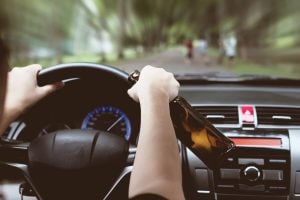
Individuals who have been directly injured by the actions of an intoxicated person may bring a claim against the bar that unlawfully provided alcohol to the intoxicated individual. This could include victims of drunk driving accidents, assault, or other alcohol-related incidents.
Family Members of Injured Parties
If a person is killed or seriously injured due to the actions of an intoxicated individual, their family members may file a claim on their behalf. This could include wrongful death claims brought by the deceased's surviving spouse, children, or parents.
Other Victims of Property Damage or Loss
In some cases, individuals who have suffered property damage or other losses due to the actions of an intoxicated person may also bring a claim against the bar. For example, if a drunk driver crashes into a person's vehicle or property, the owner may have a valid claim.
The Intoxicated Person
In rare instances, the intoxicated person themselves may be able to bring a claim against the bar or social host if they can prove that the establishment or host acted recklessly or intentionally in providing them with alcohol, leading to their own injuries. However, these cases are less common and more challenging to prove.
Real-Life Examples of Dram Shop Liability Cases
To better understand the impact of dram shop liability, let's consider a few real-life examples:
- In one case, a bar in New York served alcohol to a visibly intoxicated patron who later drove and caused a serious car accident, injuring several people. The victims filed a dram shop claim against the bar, arguing that the establishment had unlawfully served the intoxicated driver. The case resulted in a significant settlement for the victims.
- Another example involved a social host who provided alcohol to a minor during a house party. The minor later left the party and caused a fatal car crash. The victim's family successfully pursued a dram shop claim against the social host, holding them liable for the tragic consequences of their actions.
New York Dram Shop Law FAQs
Here are some common dram shop law questions our lawyers are often asked:
Who can you hold liable under Dram Shop Law?
Under New York's Dram Shop Law, both commercial establishments (such as bars, restaurants, and liquor stores) and social hosts (such as individuals hosting private parties) can be held liable. The key requirement is that they must have unlawfully served alcohol to a visibly intoxicated person or a minor who goes on to cause harm to others.
What does "visibly intoxicated" mean in Dram Shop Law?
"Visibly intoxicated" refers to a person displaying clear signs of alcohol impairment, such as slurred speech, unsteady balance, or other observable indicators of intoxication. Establishments and social hosts have a legal obligation to recognize these signs and refrain from serving alcohol to visibly intoxicated individuals.
What types of damages can you recover in a Dram Shop claim?
In a Dram Shop claim, victims may recover various types of damages, including medical expenses, lost wages, pain and suffering, property damage, and, in some cases, punitive damages. The specific damages recoverable depend on the unique circumstances of each case.
Do I need an attorney to pursue a Dram Shop claim?
While it's not legally required to hire an attorney for a Dram Shop claim, it is highly recommended. Dram Shop cases can be complex, and establishments often have significant resources to defend against such claims.
An experienced personal injury attorney who handles Dram Shop liability can help you navigate the legal process, gather evidence, and fight for the maximum compensation you deserve.
Can I sue a bar if the drunk driver was underage?
Yes. Serving alcohol to someone under the legal drinking age can strengthen a dram shop claim. These cases may involve different proof issues than visible-intoxication claims, but unlawful service to a minor is taken seriously under New York law.
What if the drunk driver was served at multiple bars or restaurants?
A dram shop claim may involve more than one establishment. Each business’s role should be evaluated based on whether it served alcohol, when it served alcohol, how much was served, and whether the driver showed visible signs of intoxication at the time of service.
Can I sue a restaurant that served alcohol at a private event?
Possibly. Liability may depend on whether the restaurant or event venue acted as a commercial alcohol vendor, who controlled alcohol service, who served the drinks, and whether the intoxicated person was visibly impaired or underage when served.
What happens if the bar or restaurant goes out of business?
A claim may still be possible if insurance coverage existed for the business at the time of the alcohol service or crash. An attorney can investigate the business, its insurance policies, and any available coverage.
Can I recover compensation if I was partially at fault?
Possibly. New York generally allows fault to be divided among responsible parties. If you share some responsibility, your recovery may be reduced by your percentage of fault, but partial fault does not necessarily end the claim.
Contact a New York Dram Shop Lawyer You Can Trust
Dram shop liability in New York allows victims to seek justice and compensation when the actions of an intoxicated individual harmed them.
By holding establishments and social hosts accountable for unlawfully serving alcohol to visibly intoxicated patrons or minors, dram shop laws aim to prevent alcohol-related accidents and ensure that victims have a path to recovery.
If you or a loved one suffered injuries due to the actions of an intoxicated individual, it's essential to seek the guidance of an experienced New York personal injury attorney who handles dram shop liability cases.
At Rothenberg Law Firm LLP, our compassionate and knowledgeable attorneys are dedicated to fighting for the rights of victims and helping them secure the compensation they deserve.
Remember, time is of the essence when pursuing a dram shop claim in New York. Don't hesitate to contact our team for a free consultation to discuss your case and explore your legal options. We're here to support you every step of the way and work tirelessly to ensure that justice is served. Contact us today at (800) 624-8888 or through our online form for your free consultation.