Brooklyn streets stay busy at nearly every hour. A Lyft crash can leave you hurt, shaken, or grieving the loss of someone you love. Within the first moments after a collision, questions about accountability and next steps start piling up.
Common causes of Lyft accidents in Brooklyn and how to prove fault often determine whether the at fault party answers for the harm caused and whether insurance covers the losses tied to medical care, missed work, and long term changes to daily life.
A knowledgeable attorney can take over the claim, protect your interests, and push back when insurers or drivers deny responsibility. Reaching out to a Lyft accident attorney near you for a free consultation can bring clarity during a stressful time.
Key Takeaways: Proving Fault in Lyft Accidents in Brooklyn
- Brooklyn's heavy traffic and dense population create unique risks for rideshare accidents involving Lyft vehicles
- New York's no-fault insurance system provides initial coverage, but serious injuries may allow you to pursue additional compensation
- Proving fault in Lyft accidents requires specific evidence including driver records, app data, and accident reconstruction
- Lyft's insurance coverage varies depending on whether the driver was actively transporting a passenger or waiting for a ride request
- Understanding New York's comparative negligence laws is essential for maximizing your compensation after a Lyft accident
What Are the Most Common Causes of Lyft Accidents in Brooklyn?
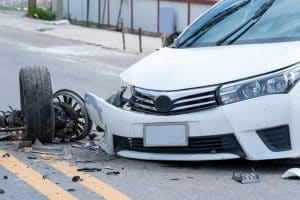
Every borough has traffic, yet Brooklyn brings narrow streets, double-parked cars, cyclists, and pedestrians into close contact with rideshare vehicles. These conditions raise the odds of certain crash patterns and may lead victims to sue Lyft after an accident.
Distracted Driving While Using the Lyft App
Lyft drivers rely on the app for directions, ride requests, and passenger communication. Glancing at the screen, accepting rides, or responding to messages pulls attention from the road. A split second of distraction near a crosswalk or bike lane often leads to sudden impact.
Speeding to Complete More Rides
Payment structures reward frequent trips, and some drivers rush between pickups. Speeding through residential streets or busy avenues shortens reaction time and increases injury severity when a collision happens.
Fatigued Driving From Long Shifts
Many drivers log extended hours to boost earnings. Fatigue slows reflexes and clouds judgment. Sometimes, tired drivers miss traffic signals or misjudge gaps in traffic.
Failure to Yield at Busy Intersections
Brooklyn intersections rank among the most congested in New York City. Drivers who fail to yield while turning or merging place pedestrians, cyclists, and other vehicles at risk.
Unsafe Lane Changes and Merging
Frequent stops and sudden lane shifts mark rideshare driving. Without proper signaling or mirror checks, lane changes trigger sideswipes and multi vehicle crashes.
Inadequate Vehicle Maintenance
High mileage wears down brakes, tires, and suspension. Skipping routine upkeep raises the chance of mechanical failure during normal driving.
How Does New York's No-Fault Insurance Law Affect Lyft Accidents?
New York follows a no-fault insurance system that shapes how injury claims start after a Lyft crash. This framework pays certain benefits regardless of who caused the collision.
These key terms help explain how the system works:
- No-fault insurance means your own insurance pays initial medical bills and lost wages after a car accident, no matter who caused the crash.
- Personal Injury Protection or PIP refers to the coverage that pays those initial benefits.
- Serious injury threshold describes the level of harm that allows a person to step outside no-fault rules and pursue a liability claim.
- Bodily injury claim seeks payment from the at fault party's insurer for losses beyond PIP coverage.
Understanding Personal Injury Protection (PIP) Coverage
PIP coverage pays medical expenses and part of lost income up to policy limits. Lyft passengers, pedestrians, and drivers often rely on this coverage first.
When You Can Step Outside the No-Fault System
Severe injuries open the door to a claim against the responsible party. Examples include broken bones, permanent limitations, or significant scarring.
Serious Injury Threshold Under New York Law
State law defines serious injury with specific categories. Medical records and doctor statements often show whether injuries meet this standard.
Who Can Be Held Liable in a Brooklyn Lyft Accident?
Liability depends on who caused the crash and what role each party played. Several people or entities may share responsibility.
The Lyft Driver's Responsibility
Drivers must follow traffic laws and operate vehicles safely. Negligent actions like speeding or distraction often point toward driver fault.
Lyft's Corporate Liability
Lyft may share responsibility when company policies, app design, or driver screening practices contribute to unsafe conditions.
Third-Party Drivers
Another motorist may cause the crash by running a red light or making an illegal turn.
Vehicle Owners
When a driver operates a vehicle owned by someone else, the owner may bear responsibility under New York law.
Municipal Liability for Road Conditions
Poorly maintained roads, missing signs, or malfunctioning signals sometimes contribute to collisions. Claims against the city follow separate notice rules.
What Insurance Coverage Applies to Lyft Accidents?
Insurance coverage shifts based on the driver's status within the Lyft app at the time of the crash.
Coverage During Different Periods of Lyft Operation
When the app stays off, the driver's personal policy applies. Once logged in and waiting for a ride, limited coverage may apply. Active trips unlock higher coverage levels.
Lyft's $1 Million Liability Policy
During active rides, Lyft provides a substantial liability policy that may cover injuries to passengers and others.
Uninsured and Underinsured Motorist Coverage
This coverage applies when another driver lacks insurance or carries low limits. Lyft's policy may step in under certain conditions.
The Driver's Personal Auto Insurance
Personal policies often exclude rideshare activity, which leads to disputes over coverage responsibility.
How Do You Prove Fault in a Lyft Accident?
Proving fault requires organized evidence and persistent advocacy. An attorney plays a central role in gathering and presenting proof.

Gathering Evidence at the Accident Scene
Photos of vehicle damage, skid marks, traffic signs, and injuries preserve details that fade quickly. Contact information from witnesses strengthens later statements.
Obtaining the Police Report
Police reports document officer observations, driver statements, and citations. Insurers often rely on these reports when assessing fault.
Accessing Lyft App Data and Driver Records
The Lyft app records trip status, timestamps, and GPS data. These records show whether the driver actively transported a passenger and whether speed or route choices played a role.
Securing Witness Statements
Neutral witnesses provide perspective on how the crash happened. Early statements reduce the risk of memory gaps.
Using Traffic Camera and Dashcam Footage
Brooklyn features many traffic cameras. Footage often captures the moments before impact and confirms signal phases or lane positions.
Working With Accident Reconstruction Experts
Reconstruction professionals analyze damage, road layout, and vehicle movement. Their findings help explain how the collision occurred and who caused it.
What Role Does Comparative Negligence Play in Lyft Accident Claims?
New York follows a pure comparative negligence rule that affects how damages get calculated.
After mentioning comparative negligence, these plain language points help clarify the concept:
- Comparative negligence means each party receives a percentage of fault for the accident.
- Pure comparative system allows recovery even when a person shares some blame.
- Fault percentage reduces the amount of damages based on assigned responsibility.
Understanding New York's Pure Comparative Negligence Rule
Courts and insurers assign fault percentages based on evidence. A person found 20 percent at fault still pursues damages in a personal injury lawsuit, reduced by that amount.
How Your Actions Can Affect Your Compensation
Seatbelt use, speed, and attention may influence fault findings. Honest reporting and solid evidence help counter exaggerated blame claims.
Common Defense Tactics Used by Insurance Companies
Insurers often shift blame to reduce payouts. Recorded statements, selective evidence, and delay tactics appear frequently in rideshare claims.
What Damages Can You Recover After a Lyft Accident in Brooklyn?
Damages reflect the real world impact of a crash. These claims focus on measurable losses and personal harm.
Economic Damages
Medical bills, rehabilitation costs, lost wages, and future care expenses fall under economic damages. Pay stubs, invoices, and medical records support these claims.
Non-Economic Damages
Pain, reduced enjoyment of life, and lasting limitations fall into this category. Personal journals and testimony from family members help show these effects.
Wrongful Death Claims
When a Lyft crash leads to loss of life, surviving family members may pursue damages for funeral costs, lost income, and loss of guidance.
How Long Do You Have to File a Lyft Accident Claim in New York?
Most personal injury claims must start within three years of the crash date. Missing this deadline usually bars recovery.
The Statute of Limitations for No-Fault Claims
No-fault benefits carry shorter notice and filing deadlines. Prompt action keeps coverage intact.
Exceptions That May Extend Filing Deadlines
Claims involving minors, wrongful death, or municipal defendants follow different timelines. Early legal guidance helps identify applicable exceptions.
How Our Firm Can Help
After a Lyft accident in Brooklyn, legal support should feel steady, clear, and focused on your needs. Our firm approaches each case with care, preparation, and attention to detail.
Listening to Your Story and Explaining Your Options
Every case starts with a conversation. We take time to hear what happened, how the crash affected your daily life, and what concerns weigh on you most. Based on those facts, we explain the legal options available and what each path may involve. Clear answers help you make informed choices without pressure.
Conducting a Thorough Investigation
Strong claims rely on solid proof. Our team gathers police reports, medical records, witness statements, and photographs from the scene. We also request Lyft app data, driver history, and trip status records to confirm what the driver was doing at the time of the crash. When needed, we work with professionals who analyze how the collision occurred.
Handling Insurance Communications
Insurance companies often control the flow of information and push for quick statements. We step in as your point of contact and handle all communications with Lyft’s insurers and any other carriers involved. This approach reduces stress and limits the risk of statements being taken out of context.
Documenting the Full Scope of Losses
A claim should reflect how injuries affected work, health, and everyday routines. We collect employment records, medical opinions, and other documents that show the financial and personal impact of the crash. Careful documentation supports a fair evaluation of damages.
Preparing the Case for Negotiation or Trial
Some insurers delay or deny responsibility even when evidence points elsewhere. When that happens, our Brooklyn personal injury attorneys prepare each case as if it may go before a jury. This level of preparation strengthens your position during negotiations and signals that Rothenberg Law Firm LLP stands ready to pursue accountability through the courts if needed.
Providing Ongoing Support
Legal cases take time. Throughout the process, our team keeps you informed, answers questions, and offers guidance so you never feel left in the dark.
Frequently Asked Questions About Lyft Accident Claims in Brooklyn
Can I sue Lyft directly if their driver caused my accident?
Direct claims against Lyft depend on the driver's status and the facts of the crash. An attorney reviews app data and insurance policies to determine the proper defendants.
What if the Lyft driver claims I was partially at fault for the accident?
Comparative negligence rules allow claims even with shared fault. Strong evidence counters inflated blame arguments from drivers or insurers.
Do I need to notify Lyft about the accident separately from filing an insurance claim?
Lyft requires notice through its app or support system. Prompt reporting preserves access to company insurance coverage.
What happens if the Lyft driver was uninsured or underinsured?
Lyft's uninsured and underinsured motorist coverage may apply during active rides. An attorney evaluates all available policies.
Can I still recover compensation if I was a passenger in the Lyft vehicle?
Passengers often pursue claims against the Lyft driver, another motorist, or both. Insurance coverage usually applies regardless of passenger fault.
Contact Our Lyft Accident Lawyers in Brooklyn Now

Lyft accident claims move quickly, and delays often help insurers limit payouts. Rothenberg Law Firm LLP brings experience with rideshare claims and a commitment to client advocacy. Reaching out for a free consultation allows you to discuss your situation, learn your options, and take steps toward holding the responsible parties accountable.