Construction work in Philadelphia is inherently dangerous and demanding even on its best days. You’re working at height, around heavy machinery, and in constantly changing conditions where one mistake can lead to serious injuries. Even when everyone does their job right, the risks are part of the work.
Construction is one of the most heavily regulated industries for this reason. There is little room for error. When you add a defective crane, unstable scaffolding, or a malfunctioning tool to this environment, the consequences for workers are severe.
Defective equipment and construction accidents in Philadelphia cause serious injuries and catastrophic injuries every year. If you are one of the many individuals or families grappling with the aftermath of a serious construction accident, workers’ compensation covers some of your losses, but it may not be your sole option.
If faulty equipment caused your injury, Pennsylvania law may allow you to file a product liability claim against the manufacturer. This claim is separate from workers' compensation and can provide compensation for pain and suffering and additional damages.
The Philadelphia construction accident lawyers at The Rothenberg Law Firm identify all parties responsible for your injuries and find a path that can help you recover the compensation you truly need.
What Construction Workers Need to Know About Defective Equipment Claims
- Pennsylvania applies strict liability to defective product cases, meaning you do not need to prove the manufacturer was negligent.
- Three types of defects can form the basis of a claim: design defects, manufacturing defects, and failure to warn.
- Workers' compensation covers medical bills and partial wages but does not include pain and suffering. A third-party lawsuit can fill that gap.
- You have two years from the date of injury to file a product liability lawsuit in Pennsylvania.
- A lawyer can preserve critical evidence, identify all liable parties, and fight for fair compensation on your behalf.
Can I Sue the Manufacturer If Equipment Fails on a Construction Site?
The short answer: Yes. If defective equipment caused your injury on a Philadelphia construction site, you may have a product liability claim against the manufacturer, distributor, or seller. This claim is separate from your workers' compensation benefits.
Pennsylvania's strict liability standard means you do not need to prove the manufacturer was negligent. You only need to show that the product was defective and that the defect caused your injury.
What Makes Construction Equipment Legally Defective?
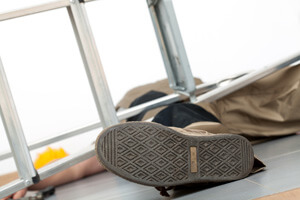
Under Pennsylvania product liability law, a product is defective if it is unreasonably dangerous to users. Courts look at whether the equipment met reasonable safety expectations or whether a safer design was available.
Pennsylvania courts use two tests to evaluate defective design claims. The consumer expectation test asks whether the product failed to perform as safely as an ordinary user would expect. The risk-utility test weighs whether the danger outweighs the product's benefits.
There are three categories of defects recognized under the law:
Design Defects
A design defect exists when the equipment's blueprint itself makes the product unsafe. Even if manufactured perfectly, the product poses an unreasonable risk. An example would be a scaffold designed with joints that are too weak to support its rated load.
Manufacturing Defects
A manufacturing defect occurs when something goes wrong during production. The design may be sound, but an error in assembly or materials makes a specific unit dangerous. A power saw missing a critical safety guard due to a factory oversight is one example.
Failure to Warn
Some products carry inherent risks that cannot be designed away. In those cases, manufacturers must provide clear warnings and instructions. A failure-to-warn claim arises when a manufacturer knew of a hazard but failed to adequately warn users.
Each defect type requires a different approach in court, but all can support a claim for worker's compensation under Pennsylvania law.
Common Examples of Defective Construction Equipment
Construction sites across Philadelphia rely on a wide range of tools and heavy machinery. When any of these fail due to defects, serious injuries often result:
- Scaffolding with faulty welds, weak structural components, or defective deck pins
- Cranes with hydraulic system failures, defective boom mechanisms, or inadequate load limiters
- Forklifts with brake malfunctions, steering defects, or rollover protection failures
- Power tools like saws, drills, and nail guns with missing or inadequate safety guards
- Ladders designed with unstable bases, weak rungs, or faulty locking mechanisms
- Harnesses and fall protection equipment that fail under load or release unexpectedly
These failures often cause catastrophic injuries, including crush injuries, amputations, traumatic brain injuries, burns, and spinal cord damage. A thorough investigation can determine whether a defect played a role in your accident.
Who Is Responsible for Faulty Machinery on a Job Site?
Multiple parties may share liability when defective equipment causes a construction accident. The liability chain can extend from the manufacturer to the company that sold or rented the equipment. Identifying all responsible parties is essential to maximizing your recovery.
Equipment Manufacturers
The company that designed and built the equipment bears primary responsibility under product liability law. Strict liability applies regardless of whether the manufacturer exercised care in the production process.
Distributors and Sellers
Anyone in the chain of distribution can be held liable for placing a defective product into the market. This includes wholesalers, retailers, and equipment rental companies operating in Philadelphia.
Maintenance Contractors
If a third party was responsible for maintaining or repairing the equipment and did so negligently, that party may also face liability. Improper repairs can create dangerous conditions that lead to equipment failure.
General Contractors and Property Owners
In some cases, the general contractor or property owner may be responsible for failing to inspect equipment or for allowing known hazards to remain on site.
A construction accident lawyer can investigate the facts of your case and identify every party whose negligence or defective product contributed to your injury.
Can Both My Employer and the Manufacturer Be Held Liable?
Workers' compensation and third-party lawsuits serve different purposes. In workplace injury cases involving defective equipment, the injured worker may pursue both.
Workers' compensation is a no-fault system. It covers medical expenses and a portion of your lost wages regardless of who caused the accident. In exchange, you generally cannot sue your employer for negligence. This trade-off gives you some immediate relief while protecting employers from personal injury lawsuits.
However, the manufacturer of defective equipment is not your employer. A product liability claim against the manufacturer can provide compensation for pain and suffering, full lost wages, and other damages that workers' compensation does not cover.
Filing both claims simultaneously requires careful coordination. Your workers' compensation carrier may seek reimbursement from any third-party recovery, a process called subrogation. A lawyer can help you manage both claims effectively.
What Should I Do After a Construction Accident Caused by Equipment Failure?
If you have already received medical attention for your injuries, there are important steps you can take to protect your legal claim:
- Hire a lawyer as soon as possible to preserve evidence and protect your rights.
- Keep all medical appointments and follow your treatment plan to document the full extent of your injuries.
- Start a journal to record your pain levels, limitations, and how the injury affects your daily life.
- Do not give recorded statements to insurance companies without first consulting your personal injury attorney.
- Report the accident to your employer in writing if you have not already done so.
Taking these steps early can make a significant difference in the strength of your case. Evidence disappears quickly on active construction sites, and memories fade over time.
How Do I Prove a Product Defect Caused My Injury?
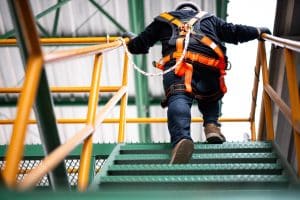
Proving a product liability claim requires showing that the equipment was defective, that the defect existed when it left the manufacturer's control, and that the defect caused your injury. You must also show that you were using the equipment in a reasonably foreseeable manner.
Key evidence in defective equipment cases includes:
- The defective equipment itself, preserved in its post-accident condition
- Maintenance and inspection records for the equipment
- Product recall notices or prior complaints about the same equipment
- Expert testimony from engineers or product safety specialists
- Photographs and videos from the accident scene
- Witness statements from coworkers who saw the equipment fail
Evidence can disappear quickly on active construction sites. Preserving the defective equipment and documenting the scene immediately after the accident is critical to building a strong case.
Do OSHA Violations Relate to Defective Equipment Claims?
The Occupational Safety and Health Administration (OSHA) sets safety standards for construction equipment. Employers must inspect equipment before each use and remove defective items from service immediately.
An OSHA violation does not automatically prove your product liability case, but it can be powerful evidence. If the equipment failed to meet OSHA standards or the manufacturer ignored industry safety requirements, that strengthens your claim.
OSHA investigations can also uncover whether the employer knew about defects and failed to act. This information may support additional claims against other parties on the job site.
How Long Do I Have to File a Defective Equipment Lawsuit in Pennsylvania?
Pennsylvania’s statute of limitations (42 Pa.C.S. § 5524) allows you two years from the date of injury to file a product liability lawsuit. If you miss this deadline, you lose your right to pursue compensation through the courts.
Pennsylvania also has a statute of repose under 42 Pa.C.S. § 5536. This law bars product liability claims filed more than 12 years after the product was first sold. The deadline applies even if your injury occurred within the two-year window.
Acting quickly protects your claim and gives your lawyer time to investigate, preserve evidence, and build a strong case before deadlines expire.
What Damages Can I Recover in a Defective Equipment Case?
A successful product liability claim may include compensation for:
- Medical expenses, including emergency care, surgery, hospitalization, rehabilitation, and future treatment
- Lost wages from time missed at work during your recovery
- Reduced earning capacity if your injuries limit your ability to work in the future
- Pain and suffering for physical pain, emotional distress, and diminished quality of life
- Punitive damages in cases involving reckless or intentional misconduct by the manufacturer
Unlike workers' compensation, a product liability lawsuit has no cap on damages for pain and suffering. For severe injuries like amputations or traumatic brain injuries, this can make a significant difference in your total recovery.
FAQs About Defective Equipment Construction Accidents in Philadelphia
What if the equipment was old or had been modified since purchase?
Manufacturers may argue the product was substantially altered after leaving their control. However, if the original defect caused the failure regardless of modifications, liability may still apply. An engineer or product safety expert can help establish the true cause of the malfunction.
Can I file a claim if my employer provided the defective equipment?
Yes. While you generally cannot sue your employer directly, you can sue the manufacturer of the defective product. Your employer's role in providing the equipment does not shield the manufacturer from liability under Pennsylvania law.
What if the manufacturer is located outside Pennsylvania or overseas?
You may still have a valid claim. Pennsylvania courts can exercise jurisdiction over out-of-state manufacturers who sell products in the state. For foreign manufacturers, the U.S. distributor or importer may be held liable for the defect.
Will filing a lawsuit affect my workers' compensation benefits?
Filing a third-party lawsuit does not cancel your workers' compensation benefits. However, your workers' comp carrier has a subrogation right and may seek reimbursement from any third-party recovery you receive. A lawyer can help you coordinate both claims.
How long does a defective equipment lawsuit take to resolve?
Timelines vary based on case complexity, the severity of injuries, and whether the parties settle or go to trial. Some cases resolve within months through settlement. Complex cases involving multiple defendants or disputed facts may take a year or longer to reach resolution.
Injured by Defective Construction Equipment in Philadelphia? Free Consultation Today
Construction sites are rapidly changing environments. The equipment involved in your accident may be repaired, replaced, or gone before it can be properly examined as evidence.

If defective equipment caused your injury, you may have the right to hold the manufacturer accountable. You should not be left to deal with the consequences of a preventable failure.
The Rothenberg Law Firm represents injured construction workers across Philadelphia on a contingency fee basis, so you pay nothing unless we recover compensation for you.
Contact us today for a free consultation and take the first step toward protecting your claim.