A serious truck crash along I-95 can leave families in Philadelphia dealing with injuries, loss, and unanswered questions. During the first moments after a collision, you may search for what you should know about trucking accidents on I-95 through Philadelphia because you want clear answers and a path forward.
Someone else’s actions may have caused the crash, and you may want accountability along with financial recovery for medical care, lost income, and the many ways daily life now feels different. A knowledgeable truck accident attorney near you can take on the legal work, communicate with insurers, and protect your claim while you focus on healing. Reaching out for a free consultation often brings clarity during an uncertain time.
Key Takeaways: Trucking Accidents on I-95 Through Philadelphia
- Commercial truck accidents on I-95 often involve more than one liable party, including trucking companies, drivers, and maintenance providers.
- Pennsylvania’s modified comparative negligence rule blocks recovery when a person carries more than 50 percent of the fault.
- Federal rules that govern trucking operations add paths for showing negligence beyond ordinary traffic laws.
- Trucking accident cases often involve higher insurance policy limits along with firm defense tactics.
- Early evidence preservation after a truck crash protects records that trucking companies only keep for limited periods.
Why Is I-95 Through Philadelphia So Dangerous for Trucking Accidents?
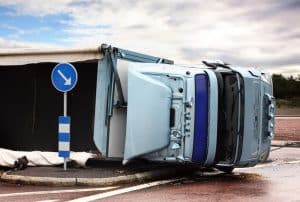
I-95 cuts through dense neighborhoods, major interchanges, industrial corridors, and active commercial zones. The roadway carries local commuters, tourists, delivery vehicles, and long haul trucks around the clock. These overlapping traffic patterns increase the likelihood of serious crashes involving commercial vehicles.
Traffic conditions change quickly along this corridor. A stretch that flows freely one moment can back up without warning due to congestion, road work, or an earlier crash. Large trucks require more time and distance to react to sudden changes, contributing to various types of truck accidents.
High Traffic Volume and Congestion
Heavy traffic reduces the space between vehicles and shortens reaction time. Tractor trailers need significantly more distance to stop than passenger cars, especially when fully loaded. When congestion builds, a sudden slowdown often leads to rear end collisions that involve several vehicles at once. During peak hours, trucks may struggle to adjust speed smoothly, which increases the danger for surrounding drivers.
Complex Interchange Systems
Philadelphia’s portion of I-95 includes tightly spaced exits, on ramps, and connector roads that demand fast decisions. Large trucks require wide turning paths and gradual lane changes. Confusion at interchanges can result in abrupt braking, unsafe merges, or sideswipe crashes. Drivers unfamiliar with the area may miss exits or attempt last second maneuvers that place nearby motorists at risk.
Weather-Related Hazards
Rain, snow, and ice frequently affect driving conditions along I-95. Wet pavement reduces tire traction and increases stopping distance for heavy vehicles. Snow and ice add further strain to braking systems. Fog near the Delaware River often limits visibility, particularly during early morning and overnight hours. These conditions demand caution, yet trucking schedules sometimes encourage continued travel despite reduced visibility.
Construction Zones and Lane Restrictions
Ongoing infrastructure projects narrow lanes and alter traffic patterns. Construction zones leave little room for error, especially for wide commercial vehicles. Concrete barriers reduce shoulder space and limit escape routes. Trucks passing through these areas must slow down and maintain precise positioning. Even a minor misjudgment can trigger a serious crash.
What Are the Most Common Causes of Truck Accidents on I-95?
Truck crashes often involve a combination of human decisions, mechanical issues, and company policies. Recognizing common causes helps injured people understand how negligence may have contributed to a collision.
Driver Fatigue and Hours of Service Violations
Federal rules limit how long a truck driver may remain behind the wheel without rest. Fatigue affects alertness, judgment, and reaction time. Some drivers exceed legal driving limits due to delivery pressure or unrealistic schedules. Logbooks and electronic records often reveal whether a driver stayed on the road too long.
Improper Loading and Cargo Securement
Cargo must be loaded evenly and secured properly. Shifting weight can destabilize a trailer, particularly during turns or sudden stops. Overloaded trucks require more distance to brake and place added stress on tires and suspension systems. Loading mistakes often trace back to third party warehouses or freight handlers.
Inadequate Vehicle Maintenance
Commercial trucks operate under demanding conditions and require frequent inspections. Worn brakes, steering issues, and tire failures contribute to serious crashes. Maintenance records sometimes show skipped inspections or delayed repairs. A company’s failure to keep vehicles roadworthy often plays a role in collisions.
Distracted or Impaired Driving
Distractions inside the cab divert attention from the road. Mobile devices, navigation systems, and onboard communications can pull focus away at the wrong moment. Alcohol or drug use further slows reaction time. Even brief distraction can lead to devastating results when a vehicle weighs tens of thousands of pounds.
Speeding and Aggressive Driving
Delivery deadlines sometimes encourage speeding or unsafe driving behavior. Following too closely or changing lanes aggressively leaves little room to respond to traffic changes. Speed magnifies the force of impact and increases the severity of injuries when a crash occurs.
Who Can Be Held Liable in a Philadelphia Trucking Accident?
Truck accident claims often involve several responsible parties. Identifying each one helps build a stronger claim and ensures accountability aligns with actual conduct.
The Truck Driver
Drivers must follow traffic laws and federal safety rules. Fatigue, distraction, impairment, or unsafe driving decisions may place responsibility on the individual operating the truck.
The Trucking Company
Trucking companies oversee hiring, training, scheduling, and maintenance. Pressure to meet deadlines or failure to enforce safety policies often traces back to company practices. Employers may bear responsibility for a driver’s actions during work duties.
Cargo Loading Companies
Third-party companies often handle loading and securement. Improper loading can cause rollovers or loss of control. These trucking companies may share liability when loading errors contribute to a crash.
Vehicle Maintenance Providers
Some companies outsource inspections and repairs. Poor workmanship or overlooked problems can lead to mechanical failure. Maintenance contractors may bear responsibility when negligence affects vehicle safety.
Truck Manufacturers and Parts Suppliers
Defective components such as brakes, tires, or steering systems sometimes play a role. Product liability claims address design flaws or manufacturing defects that contribute to crashes.
What Damages Can You Recover in a Pennsylvania Trucking Accident Case?
A trucking accident claim seeks financial recovery for losses connected to the crash. These damages reflect both tangible expenses and personal harm.
Economic Damages
Economic damages cover measurable costs tied to the accident. These may include medical treatment, rehabilitation, future care needs, lost income, reduced earning capacity, and vehicle repair or replacement. Documentation such as bills, pay records, and expert opinions supports these claims.
Non-Economic Damages
Non-economic damages address the personal impact of injuries. Pain, reduced mobility, and loss of enjoyment of activities fall into this category. These damages recognize how injuries in a truck accident affect daily routines, relationships, and independence.
Punitive Damages in Cases of Gross Negligence
Pennsylvania allows punitive damages in limited circumstances. Courts reserve these damages for conduct showing reckless disregard for safety. Examples include severe rule violations or knowingly unsafe practices.
How Does Pennsylvania’s Comparative Negligence Law Affect Trucking Accident Claims?
Fault allocation plays a major role in Pennsylvania injury cases. Understanding how fault affects recovery helps people evaluate their options.
The 51 Percent Bar Rule
Pennsylvania uses a modified comparative negligence system. A person who carries more than half of the fault cannot recover damages. When fault stays at or below 50 percent, recovery reduces by the assigned share.
How Fault Is Determined
Insurance companies and courts review crash reports, witness statements, vehicle data, and expert analysis. Each party’s actions receive a percentage of fault based on the evidence.
Impact on Settlement Negotiations
Insurers often argue fault to limit payouts. Clear documentation and consistent evidence counter attempts to shift blame unfairly.
What Role Do Federal Trucking Regulations Play in Your Case?

Federal regulations govern many aspects of commercial trucking. Violations often support negligence claims by showing failure to follow required safety standards.
Hours of Service Requirements
These rules limit driving time and require rest periods. Electronic logs and driver records show whether a driver exceeded legal limits.
Vehicle Inspection and Maintenance Standards
Federal law requires regular inspections and prompt repairs. Maintenance logs help determine whether a truck met safety requirements before the crash.
Driver Qualification Standards
Drivers must meet training, licensing, and medical criteria. Employment records reveal whether a company placed an unqualified driver on the road.
Electronic Logging Device Mandates
Electronic logging devices track driving hours automatically. These records reduce the chance of altered or incomplete logs and provide reliable evidence.
What Evidence Proves a Trucking Accident Case?
Strong evidence forms the backbone of a trucking accident claim. Acting early protects information that may disappear over time. A personal injury attorney has the resources to help you gather:
The Truck’s Black Box Data
Many trucks carry event data recorders. These devices capture speed, braking, throttle use, and other data leading up to a crash.
Driver Logs and Employment Records
Logs show driving time and rest periods. Employment files may reveal prior violations or training gaps.
Maintenance and Inspection Records
These records track vehicle condition and repairs. Gaps in maintenance history often indicate negligence.
Surveillance and Dash Camera Footage
Video footage from traffic cameras, nearby businesses, or vehicle cameras can clarify how a crash occurred.
Witness Statements and Accident Scene Documentation
Photos, measurements, and witness accounts preserve details from the scene. Early documentation reduces later disputes.
What Is Pennsylvania’s Statute of Limitations for Trucking Accident Claims?
Pennsylvania allows two years from the crash date to file a personal injury lawsuit. Courts enforce this deadline strictly.
Wrongful Death Claims Timeline
Families generally have two years from the date of death to file a wrongful death claim. This timeline may differ from the crash date.
Exceptions That May Extend the Deadline
Limited exceptions apply in specific situations, such as claims involving minors or delayed discovery of harm.
How Our Firm Can Help
After a truck crash, legal tasks multiply quickly. Insurance adjusters request statements, medical records, and authorizations. Our team at Rothenberg Law Firm LLP handles these responsibilities while keeping you informed. We investigate the collision, preserve evidence, and manage communication with insurers and defense counsel.
Our approach emphasizes preparation, transparency, and consistent advocacy. When an insurance company or at fault party resists reasonable responsibility, we prepare the case for court while continuing settlement efforts. Throughout the process, we pursue compensation based on documented losses and long term needs.
Frequently Asked Questions About Philly Truck Accident Claims
How long does it take to resolve a trucking accident case in Pennsylvania?
Case length varies. Some claims resolve within months through negotiation, while others take longer due to investigation needs or court schedules.
Will my case go to trial or settle out of court?
Many trucking cases resolve through settlement. Trial becomes more likely when insurers dispute fault or minimize damages.
What if the truck driver was from out of state?
Out of state drivers and companies still must follow Pennsylvania and federal laws. Jurisdiction rules allow claims to proceed in Pennsylvania courts under many circumstances.
Can I still file a claim if I was partially at fault for the accident?
Partial fault does not bar a claim as long as fault stays at or below 50 percent. Recovery reflects the assigned share of responsibility.
How much does it cost to hire a trucking accident attorney?
Many firms work on a contingency fee basis. Fees depend on recovery rather than upfront payment.
Contact Our Truck Accident Lawyers in Philadelphia Now
Trucking accident cases move quickly, and evidence does not last forever. Acting promptly helps protect records and witness memories. Rothenberg Law Firm LLP brings years of experience handling serious truck crash claims in Philadelphia and across Pennsylvania. Our team focuses on thorough investigation, clear communication, and respectful client support.
A free consultation offers a chance to discuss your situation, ask questions, and learn how the firm can assist with your claim.