After a drunk driving crash in New York, many people ask, can I sue a bar or restaurant after a drunk driving accident in New York? That question often comes up when someone suffers serious injuries or loses a loved one and learns the at-fault driver spent hours drinking before getting behind the wheel. Anger, confusion, and grief often mix with worries about medical bills, missed work, and how life will move forward. New York law gives injured people and families a way to hold alcohol-serving businesses accountable when unsafe service plays a role in a crash.
New York’s dram shop law allows claims against bars and restaurants that serve alcohol to visibly intoxicated patrons who later cause harm. These cases require detailed investigation and careful handling of evidence. A skilled personal injury attorney can take on that work, protect your interests, and communicate with insurers while you focus on healing.
Speaking with a drunk driving accident attorney near you for a free consultation can help you decide your next steps.
Key Takeaways: New York's Dram Shop Law
- New York’s Dram Shop Act allows injured people and families to seek damages from bars and restaurants that serve alcohol to visibly intoxicated patrons who later cause drunk driving crashes.
- A successful claim must show visible intoxication at the time of service and connect that service to the injuries suffered.
- Dram shop claims stand apart from claims against the drunk driver and may offer another source of payment when the driver’s insurance falls short.
- New York limits the time to bring dram shop claims, so early action helps preserve evidence and legal options.
- Witness accounts, video footage, receipts, and behavior records often shape the strength of a dram shop case.
What Is New York's Dram Shop Law?
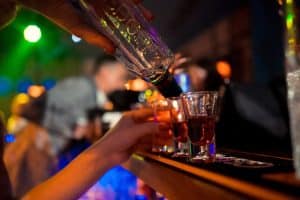
New York General Obligations Law § 11-101 allows injured people and certain family members to bring claims against alcohol vendors. The law applies when a business unlawfully sells alcohol to a person who already shows visible signs of intoxication and that service contributes to injury or death. Lawmakers designed this statute to promote safer alcohol service and reduce alcohol-related crashes.
Who Can Be Held Liable Under the Dram Shop Act?
Bars, restaurants, nightclubs, and other licensed alcohol vendors may face liability under the dram shop law. The law targets commercial sellers of alcohol, not casual hosts in most situations. Liability depends on proof that staff continued serving alcohol despite obvious signs that the patron had too much to drink.
How Dram Shop Laws Differ from Claims Against the Drunk Driver
A claim against a drunk driver focuses on negligent driving. A dram shop claim focuses on unsafe alcohol service. These claims follow different legal theories and involve different insurance policies. Pursuing both often makes sense because each party played a separate role in the harm that followed.
Can I Sue a Bar or Restaurant After a Drunk Driving Accident?
Many injured people in drunk driving car accident wonder whether the law truly allows lawsuits against alcohol-serving businesses. New York answers yes, but only under specific conditions.
When Establishments Can Be Held Liable
Bars and restaurants face liability when staff serve alcohol to someone who appears visibly intoxicated and that person later causes a crash. The law does not punish businesses for every drink served. Instead, it focuses on situations where warning signs should have prompted staff to stop service.
The Requirement of Visible Intoxication
Visible intoxication means outward signs that an average person would notice. Slurred speech, unsteady walking, loud or aggressive behavior, and glassy eyes often signal intoxication. Evidence must show these signs existed when the business served alcohol, not just later at the crash scene.
Social Hosts vs. Commercial Establishments in New York
New York generally protects social hosts from liability when they serve alcohol to adults in private settings. Commercial establishments follow different rules because they operate under alcohol licenses and profit from sales. Exceptions exist, especially when underage drinking enters the picture, which the law treats more strictly.
What Do I Need to Prove in a Dram Shop Case?
Dram shop cases rely on clear proof connecting alcohol service to the harm suffered. Each element plays a role in building a strong claim.
Establishing That the Patron Was Visibly Intoxicated
Proof often comes from witnesses who saw the patron’s behavior before leaving the establishment. Surveillance footage, credit card receipts showing rapid drink purchases, and statements from staff or other patrons help paint a picture of intoxication at the time of service.
Proving the Establishment Served Alcohol to the Intoxicated Person
Receipts, bar tabs, and point-of-sale records show what the patron purchased and when. Testimony from servers or bartenders may also confirm service continued despite visible signs that should have raised concern.
Demonstrating Causation Between Service and Your Injuries
Causation links the alcohol service to the crash and resulting injuries. Evidence must show the service played a substantial role in the driver’s impaired condition and the events that followed. Police reports and timelines often help connect these dots.
What Evidence Is Needed to Support My Claim?
Strong evidence often decides whether a dram shop case moves forward or stalls. Acting quickly helps preserve details that might otherwise fade or disappear.
Witness Testimony from Bar Staff and Patrons
Statements from people who observed the driver before leaving the bar often carry significant weight. Staff members, other customers, or even friends who drank with the driver may recall behavior that shows intoxication, highlighting the drunk driving serious risk it poses to others on the road.
Surveillance Video and Receipts
Many bars use security cameras. Video footage may capture the patron’s movements, interactions, and condition. Receipts and tabs show how much alcohol the patron purchased within a certain timeframe.
Police Reports and Toxicology Results
Police reports document observations at the crash scene, including signs of impairment. Blood alcohol concentration results provide scientific context for intoxication levels and help support the overall narrative of impairment.
Expert Testimony on Intoxication Levels
In some cases, qualified professionals explain how alcohol consumption affects behavior and reaction time. This testimony helps jurors understand how the amount served likely influenced the driver’s ability to operate a vehicle safely.
What Damages Can I Recover in a Dram Shop Case?
Dram shop claims seek monetary recovery for losses connected to the crash. These damages aim to address the real-world impact injuries bring to daily life.
Medical Expenses and Future Care Costs
Medical bills often start with emergency care and continue through surgeries, therapy, and follow-up appointments. Future care costs may include rehabilitation, assistive devices, or ongoing treatment needs.
Lost Wages and Loss of Earning Capacity
Time away from work affects household income. Some injuries limit the type of work a person can perform long term. Claims may account for missed paychecks and reduced earning ability.
Pain and Suffering
New York law allows recovery for the human impact of injuries. This category reflects physical discomfort, emotional distress, and the ways injuries interfere with daily routines and personal relationships.
Property Damage
Vehicle repairs or replacement costs often accompany injury claims. Personal items damaged in the crash may also factor into the overall recovery sought.
How Long Do I Have to File a Dram Shop Claim in New York?
New York generally allows three years from the date of injury to file a dram shop lawsuit. Wrongful death claims follow different deadlines, which often shorten the available window for action.
Notice Requirements Under New York Law
Some cases involve additional notice rules, especially when a government entity plays a role. Meeting these requirements early helps avoid procedural issues later.
Why You Must Act Quickly
Early action allows attorneys to gather video footage, locate witnesses, and secure records before they disappear. Memories fade, and businesses may overwrite or discard recordings after short periods.
What Challenges Might I Face in My Case?
Dram shop claims often involve pushback from businesses and insurers. Knowing common obstacles helps set realistic expectations.
Proving Visible Intoxication
Bars often argue staff saw no obvious signs of impairment. Detailed evidence and witness accounts help counter these claims.
Establishing the Bar's Knowledge
The law focuses on what staff observed or should have observed. Showing that signs of intoxication existed during service strengthens the argument that continued service violated the law.
Dealing with Multiple Liable Parties
Many cases involve claims against the driver, the bar, and possibly other parties. Coordinating these claims requires careful planning to avoid conflicts and missed opportunities.
Insurance Company Tactics
Insurers often question liability or downplay damages. They may delay responses or offer low settlements. Strong documentation and persistence help address these strategies.
Should I Also Sue the Drunk Driver?
Holding all responsible parties accountable often makes sense in drunk driving cases.
Pursuing Multiple Claims Simultaneously
New York law allows claims against both the driver and the alcohol-serving business. Each claim targets a different source of insurance coverage.
How Insurance Coverage Affects Your Recovery
Drivers sometimes carry limited insurance. Dram shop claims may provide access to commercial policies with higher limits, which may better address the scope of losses.
Coordinating Different Legal Actions
Managing multiple claims requires organization and clear communication. An attorney can handle filings, deadlines, and negotiations across all involved parties.
How Rothenberg Law Firm LLP Can Help
After a drunk driving crash, legal action often feels unfamiliar and stressful. Our role focuses on taking that burden off your shoulders while building a claim grounded in facts, evidence, and New York law. We work closely with you, explain each step in plain language, and handle the legal work with care and persistence.
Thorough Investigation of Your Accident
We start by learning exactly what happened before, during, and after the crash. Our car accident lawyers reviews police reports, crash scene evidence, and medical records. When a bar or restaurant may share responsibility, we also look closely at where the driver drank, how long they stayed, and what staff observed.
Gathering Critical Evidence Before It Disappears
Our team moves quickly to request surveillance footage, receipts, and witness statements. Early collection strengthens the foundation of a claim.
Handling Communications with Insurance Companies
We take over conversations with insurers and opposing counsel. This approach reduces stress and helps prevent statements from being used unfairly against you.
Expert Negotiation and Trial Experience
Our attorneys prepare every case with the expectation that insurers may refuse to act reasonably. Preparation supports meaningful settlement discussions and courtroom advocacy when needed.
No Fees Unless We Recover Compensation for You
Our firm works on a contingency fee basis. Clients do not pay upfront legal fees, and payment comes from a portion of any recovery obtained through settlement or verdict.
FAQs About Suing Bars or Restaurants After a DUI Crash
Can I sue a bar if the drunk driver was underage?
Yes. New York law treats service to minors very seriously. Serving alcohol to an underage person often strengthens a dram shop claim.
What if the drunk driver was served at multiple establishments?
Claims may involve more than one bar or restaurant. Each business’s role gets evaluated based on service and observed intoxication.
Can I sue a restaurant that served alcohol at a private event?
Liability depends on whether the restaurant acted as a commercial vendor during the event. Facts such as who provided the alcohol and who controlled service matter.
What happens if the bar or restaurant goes out of business?
Insurance policies may still cover claims even if a business closes. An attorney can investigate available coverage options.
Can I still recover compensation if I was partially at fault for the accident?
New York follows a comparative fault system. Partial responsibility does not bar recovery, but it may reduce the amount based on assigned fault.
Contact Our Drunk Driving Accident Attorneys in NY Today
Dram shop cases move quickly, and delays often cost valuable evidence. Acting promptly helps protect your ability to pursue damages and hold all responsible parties accountable.
Rothenberg Law Firm LLP brings decades of experience handling serious injury and wrongful death cases across New York. Our team focuses on careful investigation, clear communication, and steady advocacy from start to finish.
Reach out to our office for a free consultation to discuss your situation and learn how we can help.