Rideshare accidents during surge pricing hours in New York City follow a predictable pattern. When fares spike after a concert at Madison Square Garden or during the late-night rush in Manhattan, many Uber and Lyft drivers try to complete as many trips as possible.
That pressure leads to speeding, distracted driving, and fatigue. When accidents occur, passengers, pedestrians, bicyclists, and other drivers pay the price.
If you were injured during a high-demand period, the same data that triggered your surge fare can help prove the driver's negligence. Timestamped trip records, app activity logs, and GPS data create a detailed picture of what the driver was doing before your crash.
At the Rothenberg Law Firm, our NYC rideshare accident lawyers know how to obtain and use this evidence to fight for fair compensation.
Are Rideshare Accidents More Common During Surge Pricing?
The short answer: Yes. The conditions that trigger surge pricing—high demand, limited driver availability, congested roads, and late-night hours—are the same conditions that increase accident risk.
Surge pricing activates when rider demand exceeds driver supply. This happens predictably during rush hours, after major events, on holiday weekends, and between midnight and 3 a.m. when bars close across the city.
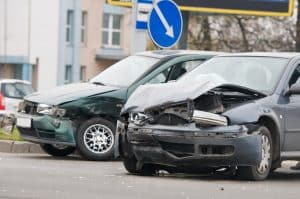
During these windows, drivers who want to maximize earnings often rush between pickups, drive longer shifts without breaks, and take chances they would normally avoid. The result is a concentration of accidents during the exact hours when surge multipliers (the pricing algorithm that adjusts rideshare fare according to demand and supply in real time) are highest.
Key Takeaways: Why Surge Pricing Accidents Deserve Close Attention
- Surge pricing creates financial incentives that push drivers to take risks they might otherwise avoid.
- Late nights, weekends, holidays, and major events produce the highest accident risk alongside the highest fares.
- Uber and Lyft retain detailed trip data that can establish exactly what a driver was doing before a crash.
- Rideshare crash victims injured during surge pricing periods often have stronger evidence of negligence than those hurt at other times.
- A rideshare accident lawyer can subpoena app records and use them to build a compelling case for compensation.
Why Does Surge Pricing Increase Accident Risk?
The surge pricing algorithm does not cause accidents directly. But it creates conditions and incentives that make dangerous driving more likely.
Financial Pressure to Move Fast
When fares double or triple, every driving minute matters. Drivers know that surge windows close quickly, so they rush to complete trips before prices drop. This pressure encourages speeding, aggressive lane changes, and risky maneuvers.
Extended Shifts and Driver Fatigue
Many rideshare drivers work the longest during surge hours because that is when they earn the most money. A driver who started at 6 p.m. may still be on the road at 2 a.m., fatigued but unwilling to miss peak earnings. Drowsy driving impairs reaction time as severely as alcohol.
Distraction From the App
During high-demand periods, drivers receive constant ride requests. Checking the app, accepting new fares, and navigating to pickup locations all pull attention from the road. One glance at the wrong moment can cause a serious crash.
Congested and Chaotic Conditions
Surge pricing typically coincides with heavy traffic, crowds of pedestrians, and limited visibility. Picture the streets around Times Square on New Year's Eve or the blocks near Barclays Center after a Brooklyn Nets game. These environments demand extra caution, not less.
Each of these factors alone increases accident risk. Combined, they create conditions where crashes become far more likely.
When and Where Do Surge Pricing Accidents Happen Most Often in NYC?
Surge pricing follows predictable patterns tied to events, nightlife, commuting, and travel. Understanding these patterns helps explain why certain times and locations see more rideshare accidents.
Late Night Hours
Uber and Lyft accidents often occur during late night hours in New York City. The hours between midnight and 3 a.m. consistently produce the highest surge multipliers and the highest accident rates. Bars close, subway service becomes limited, and thousands of people request rides simultaneously. Areas like the Lower East Side, Hell's Kitchen, and Williamsburg see intense rideshare activity during these hours.
Major Events and Venues
Concerts, sports games, and shows create sudden demand spikes when they end. Madison Square Garden, Yankee Stadium, Citi Field, and Radio City Music Hall all generate surge pricing windows that last 30 to 60 minutes after events conclude. Drivers converge on these areas and compete for pickups.
Holidays and Special Occasions
New Year's Eve, St. Patrick's Day, Pride Weekend, and Halloween bring predictable surge pricing across Manhattan and Brooklyn. These nights combine high demand, intoxicated passengers, crowded streets, and drivers working extended shifts.
Airport Rushes
Flight delays, weather disruptions, and peak travel days trigger surge pricing around JFK and LaGuardia. Drivers racing to the airports via the Van Wyck Expressway or Grand Central Parkway often speed to reach passengers before competitors do.
If your accident happened during one of these high-risk windows, the timing itself may support your claim that the driver was acting negligently. Documenting the date, time, and location strengthens this connection.
How Can Trip Data Prove Negligence in a Surge Pricing Accident?
Uber and Lyft collect extensive data on every trip. This information can establish exactly what a driver was doing in the minutes and hours before your crash.
A lawyer can subpoena records that show:
- How long the driver had been on the road that day
- How many trips the driver completed before your ride
- The driver's speed during your trip compared to posted limits
- Whether the driver was interacting with the app at the time of the crash
- GPS coordinates showing the exact route taken
This data creates an objective record that insurance companies cannot easily dispute. A driver who completed 15 trips over 10 hours before crashing at 2 a.m. has a fatigue problem. A driver whose GPS shows speeds of 50 mph on a 25 mph street has a speeding problem. The evidence speaks for itself.
Rideshare companies do not voluntarily hand over this information. A personal injury lawyer must send formal legal requests to obtain it. Taking legal action quickly after an Uber or Lyft crash is essential because companies may not retain detailed records indefinitely.
Does Insurance Coverage Change During Surge Pricing Hours?
Insurance coverage depends on the driver's app status, not on whether surge pricing was active. However, surge pricing guarantees that the driver was logged into the app and either waiting for a request or on an active trip.
According to the NYC Taxi and Limousine Commission (TLC), rideshare vehicles must carry at least $1.25 million in liability coverage during active trips. This coverage applies regardless of the fare amount.
Coverage tiers work as follows:
- Active trip (passenger in vehicle or en route to pickup): Full $1.25 million commercial coverage
- App on, waiting for request: Contingent liability coverage with lower limits
- App off: Driver's personal insurance only
Because surge pricing only activates when the app is on, victims injured during surge periods always have access to at least contingent coverage and usually the full commercial policy. This makes surge pricing accidents easier to pursue from an insurance standpoint than accidents involving off-duty drivers.
How Does New York’s No-Fault Insurance Apply to Surge Pricing Accidents?
New York's no-fault system requires Personal Injury Protection (PIP) coverage to pay your initial medical bills and lost wages regardless of who caused the accident. This applies to rideshare accidents during surge pricing just as it does at any other time.
No-fault benefits cover economic losses but not pain and suffering. To pursue those damages, your injuries must meet the serious injury threshold defined by New York Insurance Law Section 5102(d).
Serious injuries after rideshare accident include bone fractures, significant disfigurement, permanent limitation of a body part, and injuries that prevent you from performing daily activities for at least 90 days. If your injuries qualify, you can step outside the no-fault system and pursue a full claim against the at-fault driver.
Surge pricing accidents often involve high-speed collisions or crashes in congested areas where pedestrians are present. These circumstances frequently produce injuries serious enough to meet the threshold and allow you to pursue compensation beyond basic no-fault benefits.
What Should You Do After a Rideshare Accident During Surge Pricing?

If you have already received medical care, focus on protecting your legal claim. The steps you take now can strengthen your case significantly.
Take these steps to preserve your claim:
- Hire a rideshare accident lawyer before speaking with Uber, Lyft, or any insurance company. Early legal guidance protects you from costly mistakes.
- Screenshot your trip details, including the fare, surge multiplier, pickup and dropoff locations, driver name, and vehicle information.
- Document the time and location of the accident. Note whether it occurred near a venue, during late-night hours, or on a holiday.
- Keep all medical records and follow your treatment plan. Gaps in care give insurers reasons to question your injuries.
- Avoid recorded statements until you have legal representation. Insurance adjusters look for ways to minimize your claim.
Your lawyer can subpoena the detailed trip data that proves how long the driver worked, how fast they drove, and whether app distraction played a role in your crash.
How Long Do You Have to File a Claim After a Surge Pricing Rideshare Accident?
The statute of limitations for personal injury lawsuits in New York is generally three years from the date of injury. Missing this deadline typically bars your claim forever.
No-fault PIP claims have much shorter deadlines. You must notify your insurer within 30 days of the accident and submit documentation within the time limits specified in your policy. Failing to meet these deadlines can jeopardize your no-fault benefits.
If your accident involved a city bus, MTA vehicle, or other government entity, you may need to file a notice of claim within 90 days. These shorter deadlines apply regardless of when surge pricing was active.
Contact a lawyer promptly. Trip data, app records, traffic video, and witness memories vanish over time. Early investigation preserves the evidence that makes surge pricing accidents easier to prove.
FAQs About Rideshare Accidents During Surge Pricing in NYC
Can I sue Uber or Lyft if my driver crashed while chasing surge fares?
You can file claims against the rideshare company's insurance policy. While Uber and Lyft classify drivers as independent contractors, their commercial coverage still applies to accidents during active trips. A lawyer can explain which legal theories apply to your situation.
Does it matter if the surge multiplier was 2x versus 3x?
The multiplier itself does not change your legal rights or insurance coverage. However, higher multipliers indicate higher demand and more pressure on drivers. This context can support arguments about why the driver may have been rushing or taking risks.
What if my accident happened after a concert at Madison Square Garden?
Post-event surge windows create predictable high-risk conditions. The timing of your accident near a major venue supports claims that the driver faced pressure to complete trips quickly. This evidence can strengthen your negligence argument.
Are rideshare drivers more dangerous on New Year's Eve?
New Year's Eve combines peak surge pricing, extended driver shifts, crowded streets, and intoxicated pedestrians. These conditions increase accident risk significantly. If you were injured on a major holiday, the circumstances themselves support your claim.
Can I get compensation if I was a pedestrian hit by a rideshare driver during surge hours?
Absolutely. Pedestrians have the same right to file claims against rideshare insurance as passengers. If the driver was on an active trip or waiting for a request, the company's commercial coverage applies to your injuries.
When are New York City’s busy hours for rideshare crashes?
Rideshare crashes in New York often occur during peak demand periods, such as evening rush hour, late-night weekends, and major events. Heavy traffic, frequent stops, and increased driver demand can raise the risk of collisions involving Uber and other rideshare vehicles
What if someone injured you after they had a drunk night out in Manhattan?
A lawyer can investigate the crash, secure police reports and toxicology evidence, and pursue claims against the drunk driver and any available insurance policies. They also calculate your medical costs, lost income, and other damages while negotiating or filing a lawsuit if needed.
Hurt During a Surge Pricing Rideshare Accident? Contact the Rothenberg Law Firm

From late nights in the East Village to post-game chaos outside Yankee Stadium, rideshare accidents during surge pricing leave victims with serious injuries and complicated claims. The Rothenberg Law Firm has fought for injured New Yorkers for over 50 years, recovering billions of dollars for individuals and families.
We offer free consultations and work on a contingency fee basis, so there is no financial risk to you. Contact us today for a free consultation to discuss your case.