A crash caused by a drunk driver often leaves New Yorkers hurt, shaken, and unsure what comes next. When someone else’s reckless choice causes injuries or takes the life of a loved one, the shock doesn’t fade quickly.
Knowing what to do immediately after being hit by a drunk driver in New York gives you a way to protect your health, your finances, and your legal rights from the very start. Along with medical care, having a skilled attorney handle the legal side allows you to focus on healing while someone else deals with insurers and investigations.
Reaching out to a drunk driving accident attorney near you for a free consultation gives you clarity during a difficult time.
Key Takeaways: What to Do After a Drunk Driver Hits You in NY
- New York’s dram shop laws allow you to pursue claims against bars and restaurants that over-served the drunk driver
- You have three years from the accident date to file a personal injury lawsuit in New York, but gathering evidence immediately is critical
- Drunk driving accidents often result in higher compensation due to punitive damages available under New York law
- Your own insurance may provide immediate benefits through mandatory no-fault coverage, regardless of who caused the accident
- Preserving evidence of intoxication, including police reports and toxicology results, strengthens both your insurance claim and potential lawsuit
Immediate Steps to Take at the Accident Scene
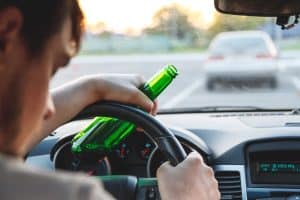
The moments right after a drunk driving car crash often feel rushed and confusing, but what you do at the scene can shape everything that follows. These steps focus on safety first while also protecting your ability to pursue a claim later. Taking calm, deliberate action helps create a clear record of what happened and why.
Call 911 and Request Police and Medical Assistance
Calling 911 starts an official response and brings help to the scene. Police presence matters in suspected drunk driving cases because officers look for signs of impairment and begin documenting them right away. Emergency medical responders also check for injuries that may not feel serious at first but could worsen hours or days later.
Document Everything with Photos and Videos
If you’re able, use your phone to record the scene before vehicles move. Capture damage to all cars involved, license plates, skid marks, debris, traffic signals, and weather conditions. Photos and short videos provide time-stamped proof that supports your version of events long after the scene clears.
Collect Information from All Parties Involved
Exchange basic details with every driver involved, including names, phone numbers, addresses, insurance information, and license plate numbers. If the driver appears intoxicated, avoid confrontation and let police handle the situation. Accurate information prevents delays and disputes once insurance claims begin.
Identify and Speak with Witnesses
Bystanders sometimes notice things drivers miss, such as swerving before impact or slurred speech afterward. Ask witnesses for their names and contact information, and note what they saw or heard. Independent accounts often carry significant weight during insurance reviews and legal claims.
Do Not Admit Fault or Discuss Details of the Accident
Stick to the facts and avoid speculating about blame or causes. Statements made in the heat of the moment sometimes get misunderstood or taken out of context later. Let investigators and attorneys sort out responsibility based on evidence.
Seek Medical Attention Even if You Feel Fine
Pain and stiffness often show up hours or days after a crash. Getting checked by a medical professional creates a clear link between the collision and your injuries. Medical records from the same day as the accident often play a key role in proving the extent of harm caused by the drunk driver.
What Happens When Police Arrive?
Police response plays a central role in drunk driving cases because officers begin documenting signs of impairment and preserving evidence right away. Knowing what to expect helps you stay calm and focused while the investigation unfolds at the scene.
Police Will Conduct Field Sobriety Tests
Officers usually start by observing the driver’s behavior, speech, and coordination. They may ask the driver to perform field sobriety tests such as walking in a straight line or standing on one leg. Poor performance often leads officers to suspect intoxication and move forward with further testing.
The Officer Will File an Official Accident Report
The responding officer prepares a written report that includes the date, time, and location of the crash, along with driver information, witness names, and initial findings. In drunk driving cases, the report often notes signs of alcohol use, failed sobriety tests, or an arrest. Insurance companies and attorneys rely heavily on this report when reviewing a claim.
You May Need to Provide a Statement
Officers may ask you to explain what you saw and experienced. Share clear, factual details without guessing about speed or intent. If you feel shaken or injured, let the officer know so that medical care becomes the priority.
Request a Copy of the Police Report
Before leaving the scene or shortly afterward, ask how to obtain the accident report. Having a copy early allows your personal injury attorney to review the officer’s observations and begin building your claim while details remain fresh.
How Does New York’s No-Fault Insurance System Work After a Drunk Driving Accident?
New York follows a no-fault insurance system, which affects how medical bills and lost income get paid.
You’ll File a Claim with Your Own Insurance First
After the crash, your own insurer covers initial expenses through personal injury protection, often called PIP.
No-Fault Covers Medical Bills and Lost Wages Up to $50,000
PIP generally pays medical costs and a portion of lost income, up to the policy limit, regardless of who caused the crash.
You Can Step Outside No-Fault for Serious Injuries
Serious injuries allow you to pursue a claim against the drunk driver directly. Serious injury means harm that meets legal standards under New York law.
Understanding New York’s Serious Injury Threshold
The law defines serious injury using categories such as significant disfigurement, broken bones, or permanent loss of use. Meeting this threshold opens the door to a lawsuit beyond no-fault benefits.
Criminal vs. Civil Cases: What’s the Difference?
Drunk driving crashes often involve two separate legal paths.
The Criminal Case Against the Drunk Driver
Prosecutors bring criminal charges to punish the driver and protect the public. Penalties may include fines, license suspension, or jail time.
Your Civil Lawsuit for Damages
A civil case focuses on financial recovery for losses caused by the crash. You control whether this case moves forward.
How a Criminal Conviction Helps Your Civil Case
A conviction for driving while intoxicated often supports your civil claim by confirming reckless behavior.
What Evidence Should You Preserve?
Strong evidence forms the backbone of any drunk driving claim.
Medical Records and Treatment Documentation
Medical records link your injuries directly to the crash. Hospital charts, diagnostic images, prescriptions, and follow-up visit notes show the care you received and why it was necessary. Keep copies of discharge instructions and referrals, since they often explain ongoing treatment needs.
Photos of Injuries and Vehicle Damage
Photographs taken at the scene and during recovery help tell the story visually. Images of bruising, swelling, stitches, or casts taken over time show how injuries developed. Photos of vehicle damage also demonstrate the force of the impact.
The Police Report and BAC Test Results
Blood alcohol concentration test results provide objective proof of impairment at the time of the crash.
Witness Statements and Contact Information
Witnesses often confirm erratic driving, alcohol odor, or unusual behavior after the collision. Save names, phone numbers, and any written or recorded statements. Independent observations often strengthen both insurance claims and lawsuits.
Records of Lost Wages and Financial Losses
Pay stubs, employer letters, and receipts show how the crash affected your income and daily expenses.
What Compensation Can You Recover in New York?
Drunk driving accidents often involve significant losses. New York law allows recovery across several categories.
Economic Damages for Tangible Losses
Economic damages include medical bills, rehabilitation costs, and lost income. These amounts rely on documentation rather than estimates.
Non-Economic Damages for Pain and Suffering
Non-economic damages address the human impact of injuries, such as ongoing pain or reduced enjoyment of daily activities.
Punitive Damages in Drunk Driving Cases
Punitive damages aim to punish especially reckless conduct. Driving while intoxicated often supports this type of award.
Wrongful Death Damages if a Loved One Was Killed
When a drunk driving crash results in death, surviving family members may pursue damages for funeral costs, lost financial support, and loss of companionship.
Can You Sue the Bar or Restaurant That Served the Drunk Driver?

Responsibility sometimes extends beyond the driver.
New York’s Dram Shop Law Explained
The Dram Shop Act allows injured people to seek damages from establishments that served alcohol to someone who was visibly intoxicated.
Who Can Be Held Liable Under the Dram Shop Act
Bars, restaurants, and liquor stores may face liability when over-service contributes to a crash.
Proving the Establishment Over-Served the Driver
Receipts, surveillance footage, and witness testimony often show whether staff continued serving alcohol despite obvious signs of intoxication.
Social Host Liability in New York
Private hosts generally avoid liability, though exceptions exist when serving minors.
What Are the Time Limits for Filing a Claim in New York?
Most injury claims require filing within three years from the crash date.
The Two-Year Deadline for Wrongful Death Claims
Wrongful death actions usually must start within two years from the date of death.
Why You Shouldn’t Wait to Take Legal Action
Evidence fades and witnesses move. Acting sooner helps preserve proof and strengthens your position.
Common Mistakes to Avoid After a Drunk Driving Accident
Small missteps sometimes hurt otherwise strong claims.
Accepting a Quick Settlement from the Insurance Company
Insurers sometimes push early offers that fail to reflect long-term needs.
Posting About Your Accident on Social Media
Posts and photos may get taken out of context and used against you.
Failing to Follow Through with Medical Treatment
Gaps in care allow insurers to argue injuries healed or never existed.
Waiting Too Long to Consult an Attorney
Early legal guidance helps shape the case from the beginning.
How Our Firm Can Help
Support from the right legal team provides relief during a stressful period. At Rothenberg Law Firm LLP, we focus on accountability and client advocacy.
We Investigate All Potential Sources of Compensation
Our team looks beyond the driver to identify every responsible party, including bars or restaurants when applicable.
We Handle All Communication with Insurance Companies
Insurers often pressure injured people for statements or quick resolutions. We take over those conversations so you don’t have to.
We Gather Expert Testimony and Accident Reconstruction
Medical professionals and reconstruction specialists help explain how the crash caused your injuries.
We Fight for Maximum Compensation Including Punitive Damages
Our attorneys pursue all available damages supported by the evidence, including punitive damages when reckless conduct justifies them.
We Work on a Contingency Fee Basis
You pay no legal fees unless the case results in a financial recovery.
Frequently Asked Questions About Drunk Driving Accident Claims
What if the drunk driver didn’t have insurance?
Your own uninsured motorist coverage may apply, and other liable parties could also provide sources of recovery.
Can I still recover compensation if I was partially at fault?
New York follows comparative fault rules, which reduce recovery based on your share of fault rather than barring it completely.
How long does it take to settle a drunk driving accident case in New York?
Timelines vary depending on injuries, insurance cooperation, and whether litigation becomes necessary.
Will I have to go to court?
Many cases resolve through settlement, though some require court involvement when insurers or at-fault parties refuse reasonable terms.
What if the drunk driver was also speeding or texting while driving?
Additional reckless actions often strengthen claims by showing a pattern of dangerous behavior.
Let Our Drunk Driving Accident Attorneys in NY Help
Drunk driving cases move quickly, and delays risk losing valuable evidence. Rothenberg Law Firm LLP brings decades of experience handling serious injury and wrongful death claims across New York. Our team focuses on thorough preparation, clear communication, and steady advocacy from start to finish.
Contact us today for a free consultation and learn how we can help you move forward after a drunk driving crash.