Summer brings more motorcycles onto the streets of Manhattan and Brooklyn. Warm weather draws riders back after long winters, but that seasonal change also increases crash risks. If you suffered injuries or lost a loved one in a motorcycle accident caused by another driver, uncertainty and anger often follow. Many people want answers, accountability, and financial recovery to help support medical care and daily needs.
The phrase why motorcycle accidents surge during summer in Manhattan and Brooklyn matters because these crashes follow clear and repeatable patterns. A skilled motorcycle accident attorney near you can manage insurance disputes, gather evidence, and pursue compensation tied to your losses.
Key Takeaways: Why Motorcycle Crashes Increase During Summer in NYC
- Summer weather increases motorcycle traffic in Manhattan and Brooklyn, leading to higher accident rates during June through August
- New York's no-fault insurance system covers basic economic losses, but serious injury cases require meeting specific threshold criteria
- Lane splitting remains illegal in New York, and violations can influence liability findings after a crash
- Motorcycle accident victims have three years from the date of injury to file a personal injury lawsuit under New York law
- Helmet use may affect comparative negligence arguments even when the law does not require a helmet
Why Do Motorcycle Accidents Increase During Summer Months?
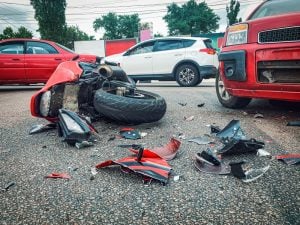
Traffic patterns shift dramatically during warmer months. More people travel for work, recreation, and tourism. These changes affect motorcycles in distinct ways.
More Motorcycles on the Road
Summer weather encourages riders to commute daily, take longer trips, and ride for leisure. Many riders return after months of limited winter riding, which affects muscle memory and reaction timing. Increased motorcycle presence also raises exposure to driver mistakes. Drivers accustomed to seeing mostly cars often misjudge motorcycle speed, particularly on wide avenues, bridge approaches, and multi lane roadways.
Increased Tourist Traffic in Manhattan and Brooklyn
Tourist traffic peaks during summer. Visitors rely heavily on navigation apps and unfamiliar routes. Missed turns, sudden lane changes, and abrupt stops happen frequently. Motorcyclists traveling near popular destinations face drivers who focus on directions rather than mirrors. Areas near Times Square, Central Park, Brooklyn Bridge, and waterfront neighborhoods see higher crash frequency during peak tourism months.
Longer Daylight Hours and Extended Riding Time
Longer days encourage extended riding schedules. Riders stay on the road later in the evening, often after full workdays. Fatigue builds gradually, reducing reaction speed and decision making ability. Evening traffic also brings increased congestion, glare, and driver impatience.
Weekend and Holiday Riding Patterns
Weekends bring recreational rides, group outings, and charity events. Riders often travel unfamiliar routes or ride in clusters. Holiday celebrations increase impaired driving incidents among motorists, which places motorcyclists at greater risk due to their visibility and vulnerability.
What Weather Conditions Contribute to Summer Motorcycle Crashes?
Weather affects motorcycles directly. Heat, rain, and sunlight influence traction, visibility, and rider endurance.
Road Surface Temperatures and Tire Performance
High pavement temperatures soften asphalt. Softer pavement reduces tire grip, especially during braking or sharp turns. Overheated tires lose elasticity, increasing stopping distance. Riders navigating stop and go traffic face added risk when tires fail to grip consistently.
Sudden Summer Thunderstorms
Thunderstorms arrive quickly during summer. Rain lifts oil, rubber residue, and debris to the surface, creating slick conditions within minutes. Intersections and crosswalks become especially dangerous. Riders caught mid turn or braking often lose traction before they can react.
Sun Glare During Morning and Evening Commutes
Low sun angles during morning and evening hours create glare that limits visibility. Drivers may look away or squint, missing motorcycles in traffic streams. Glare often hides riders during left turns and lane merges.
Construction Zone Hazards
Summer marks peak construction season. Crews leave uneven pavement, exposed steel plates, loose gravel, and temporary lane markings. Motorcycles respond poorly to sudden elevation changes and unstable surfaces, especially at speed.
How Does New York Traffic Law Apply to Motorcycle Accidents?
Motorcycle traffic laws shape fault analysis and insurance outcomes after a crash.
New York's No-Fault Insurance Requirements for Motorcyclists
New York uses a no-fault insurance system that pays basic economic losses regardless of fault. Motorcyclists receive more limited benefits than car occupants. Riders must meet the serious injury threshold to pursue claims against negligent drivers. Serious injury categories include:
- Fracture: Any broken bone confirmed through medical imaging
- Significant disfigurement: Permanent and visible changes to appearance
- Permanent limitation: Lasting loss of use or function
- Loss of fetus: Pregnancy loss caused by crash related trauma
Lane Splitting Prohibitions Under New York VTL § 1122
New York law prohibits lane splitting. Riders traveling between lanes of stopped or slow moving traffic may face fault allegations. Insurance companies often examine lane position closely when disputing liability.
Right-of-Way Rules and Common Violations
Failure to yield causes many motorcycle crashes. Drivers making left turns frequently misjudge distance or speed. Intersections throughout Manhattan and Brooklyn rank among the most common crash locations due to heavy traffic volume and aggressive driving behavior.
Helmet Laws and Their Impact on Claims
New York requires helmets for motorcycle operators and passengers. Helmet use affects injury severity and claim evaluation. Insurers often raise helmet use during comparative negligence discussions, even when injuries involve other body regions, including various types of motorcycle injuries.
What Are the Most Common Causes of Summer Motorcycle Accidents in NYC?
Summer crashes follow recurring patterns influenced by traffic density and driver behavior.
Left-Turn Collisions at Intersections
Left turns place motorcycles directly in the path of crossing vehicles. Drivers often scan for cars while overlooking motorcycles. These crashes frequently result in high impact injuries.
Door Crashes in Brooklyn and Manhattan Streets
Parked cars line many streets. Drivers and passengers sometimes open doors without checking mirrors. A door opening into traffic leaves riders little time or space to react.
Distracted Driving by Other Motorists
Phones, messaging apps, and dashboard screens distract drivers. Even brief distractions cause lane drift, delayed braking, and missed signals.
Road Hazards and Poor Maintenance
Potholes, debris, and uneven pavement disrupt motorcycle balance. Seasonal wear combined with heavy traffic worsens road conditions throughout summer.
Impaired Driving During Summer Events
Concerts, festivals, and outdoor gatherings increase impaired driving incidents. Alcohol and drugs slow reaction time and impair judgment, increasing collision risk for riders.
What Injuries Do Motorcycle Accident Victims Typically Suffer?
Motorcycles offer little physical protection during a collision.
Traumatic Brain Injuries
Head injuries range from mild concussions to permanent brain damage. Symptoms include memory problems, headaches, mood changes, and concentration difficulty.
Spinal Cord Damage and Paralysis
Spinal injuries affect movement, sensation, and independence. Many riders require long term rehabilitation and assistive devices.
Road Rash and Severe Abrasions
Sliding across pavement removes layers of skin. Deep abrasions increase infection risk and often leave lasting scars.
Broken Bones and Fractures
Limbs absorb much of the impact during falls. Fractures frequently involve arms, legs, ribs, and collarbones. Surgery and extended recovery periods often follow.
Internal Organ Damage
Blunt force trauma injures internal organs such as lungs, liver, and spleen. Symptoms may worsen hours after the motorcycle crash.
How Does New York's Comparative Negligence Law Affect Motorcycle Claims?

Fault allocation plays a significant role in financial recovery.
Understanding Pure Comparative Fault Under CPLR § 1411
New York follows a pure comparative fault system. Each party receives a fault percentage based on their actions. Financial recovery decreases according to the injured rider’s assigned share of responsibility.
How Your Actions Can Reduce Your Recovery
Speed, traffic violations, lane positioning, and equipment choices influence fault assessments. Insurance carriers review these details closely.
Common Defense Arguments Against Motorcyclists
Insurers often argue riders drove aggressively or ignored safety practices. Clear evidence helps counter these claims.
What Compensation Can Motorcycle Accident Victims Recover?
Claims address financial and personal losses tied to the crash.
Economic Damages: Medical Bills and Lost Wages
Economic damages include hospital care, follow up treatment, rehabilitation, medication, and lost income. Future medical needs and reduced earning capacity may also factor into a claim.
Non-Economic Damages: Pain and Suffering
Non-economic damages account for ongoing discomfort, activity limitations, and lifestyle changes resulting from injuries.
Meeting New York's Serious Injury Threshold Under Insurance Law § 5102(d)
Medical records, diagnostic imaging, and physician evaluations help establish serious injury status.
Punitive Damages in Extreme Cases
Punitive damages may apply when reckless or intentional behavior caused harm, such as impaired or aggressive driving.
What Steps Should You Take After a Summer Motorcycle Accident?
Early actions influence claim outcomes.
Immediate Actions at the Accident Scene
Medical attention and police involvement create official records. Photos and witness information help document conditions.
Documenting Evidence for Your Claim
Medical records, repair estimates, and accident reports form the foundation of a claim.
Reporting Requirements Under New York Law
Drivers must report accidents involving injury or significant property damage. Timely reporting protects legal rights.
Preserving Your Right to Compensation
Following medical advice and avoiding informal insurer statements supports recovery efforts.
How Our Firm Can Help
After a motorcycle crash, injured riders and families often feel pressure from insurance companies while still dealing with medical care and daily responsibilities. At Rothenberg Law Firm LLP, we focus on removing that burden and creating a clear path forward.
Listening First and Building the Claim Around Your Story
Every motorcycle accident affects people differently. We begin by listening carefully to what happened, how the injuries affect your daily life, and what concerns matter most to you. This information shapes how we approach the claim and what evidence we prioritize. Insurance adjusters often reduce claims to numbers on a page. Our approach keeps the human impact front and center.
Investigating the Crash and Preserving Evidence
Strong claims rely on detailed evidence. Our team investigates the accident scene, reviews police reports, gathers witness statements, and analyzes traffic patterns common in Manhattan and Brooklyn. We also work to preserve time sensitive evidence such as surveillance footage, vehicle data, and roadway conditions before it disappears. Early investigation helps counter attempts to shift blame onto the rider.
Managing Insurance Communications
Insurance companies often contact injured riders quickly. Statements taken early may later be used to reduce claim value. We handle all communication with insurers and opposing parties so you do not have to respond while recovering. This approach helps prevent misunderstandings and protects the integrity of the claim.
Documenting Medical Treatment and Financial Losses
Medical records play a major role in motorcycle accident cases. We organize treatment records, physician opinions, and billing statements to clearly show the connection between the crash and your injuries. Lost income, reduced work capacity, and future care needs also receive careful documentation to reflect the full scope of your losses.
Pursuing Accountability Through Negotiation or Litigation
Many cases resolve through settlement discussions when insurers accept responsibility. When an insurance company or at fault party refuses reasonable accountability, our firm prepares the case for court. Preparation strengthens negotiating positions and ensures readiness for trial if needed.
Providing Ongoing Support Throughout the Process
Legal claims take time. We maintain regular communication, explain each stage in plain language, and remain available to answer questions. Our goal involves providing steady guidance while working toward a resolution that supports your long term recovery and stability.
Frequently Asked Questions About Motorcycle Accident Claims in NYC
What is the deadline for filing a motorcycle accident lawsuit in New York?
New York law allows three years from the accident date to file a personal injury lawsuit.
Can I still recover compensation if I wasn't wearing a helmet?
Helmet use may affect fault analysis but does not automatically prevent recovery.
How does New York's no-fault insurance work for motorcycle accidents?
Motorcyclists receive limited no-fault benefits and may pursue claims for serious injuries.
What if the other driver fled the scene of my motorcycle accident?
Police investigations and insurance coverage may still support a claim.
Can I sue for pain and suffering after a motorcycle crash in NYC?
Serious injury status allows recovery beyond basic economic losses.
Contact Our Motorcycle Accident Lawyers in NYC Now

Motorcycle accident cases move quickly. Evidence fades and legal deadlines approach. Rothenberg Law Firm LLP offers guidance grounded in New York motorcycle law. A free consultation allows you to discuss your situation, ask questions, and consider next steps toward accountability and financial recovery.